



Triggers and Prevention for Dog Aggression
wDogs are part of the family, but even the gentlest companion can lash out under the wrong circumstances. This can be in the form of growling, snapping or biting. However, you need to understand that these reactions are due to fear, pain, stress, or confusion. Understanding what’s behind aggressive behavior can help you prevent it before anyone gets hurt, including your dog.
Aggression often starts with stiff body language, a hard stare, or raised hackles. Sometimes there’s a low growl, sometimes just silence before a sudden lunge. Aggression can be directed toward people, other dogs, or even objects, and recognizing the early warning signs gives you time to step in before the situation gets worse.
The Common Triggers Behind Dog Aggression
Dogs have unique personalities. Nevertheless, most aggressive behavior falls into a few clear categories.
1. Fear and Anxiety
When a dog is scared, it either runs or defends itself. In a situation when it can’t escape, it may resort to biting. Fear-based aggression is one of the most common types seen in shelters and homes alike. Triggers can include:
Loud noises like fireworks or thunder
Unfamiliar visitors or dogs
Sudden movements or being cornered
If your dog growls when approached by strangers, don’t punish them; this reaction is a way of communicating discomfort. Instead, give them space and work on building positive associations with slow, calm exposure and treats.
2. Pain or Illness
Sudden aggression in a normally calm dog can be a medical red flag. Dogs can become more irritable due to conditions like arthritis, dental pain, or even hypothyroidism. Before you assume the aggression is a behavioral issue, you should schedule a vet exam. A simple injury or infection might be the real cause. Once the pain is treated, the aggression often fades along with it.
3. Lack of Socialization
Puppies that aren’t exposed to different people, environments, and other dogs during their early months can grow up anxious and reactive. If your dog is poorly socialized, it may see anything unfamiliar as a threat. That’s why you need to provide early, positive experiences through gentle handling, claim introduction, and reward-based learning. Doing this can prevent future fear and defensiveness.
4. Resource Guarding
A lot of dogs instinctively protect what matters to them. This includes food, toys, or their favorite person. You might notice your dog stiffening when someone walks by their bowl, or they might growl if another pet gets close to their chew.
This is an insecurity issue and not dominance behavior like some owners often think. You can reduce this issue by introducing training exercises like trading one toy for another and rewarding calm sharing.
5. Territorial Behavior
Dogs are naturally protective of their space. A fenced yard, a couch, or even the car can feel like territory that needs defending. Barking, lunging at the window, or blocking doorways are some of the signs of this type of aggression. You can manage this instinct by creating consistent boundaries, giving your dog lots of exercise, and limiting visual triggers like covering windows.
when a dog bites someone or another pet, such a situation can be scary even for the owners. If your dog bites someone, you can even face legal consequences. The victims may hire a dog bit attorney to help them recover damages. However, you can prevent such situations if you understand the triggers we just talked about.
How to Prevent Dog Aggression Before It Starts
The best prevention plan combines understanding, structure, and care. Here’s how to keep your dog calm, confident, and safe.
1. Start with a vet visit
You should rule out pain first if your dog suddenly shows aggression by taking it to the vet. A thorough checkup can uncover hidden issues like ear infections, dental pain, or hormonal imbalances. Treating the cause often solves the behavior.
2. Socialize early and often
Expose puppies to a variety of people, sights, sounds, and other dogs in a safe way. The goal is to build confidence and not overwhelm.
If you have an adult dog, take it slow. You can make the difference through positive experiences, short sessions, and lots of praise.
3. Use positive reinforcement
Don’t punish your dog when they are aggressive, as this will only increase fear and aggression. Instead, reward calm, friendly behavior. Use treats, toys, or praise. Experts have noted that dogs learn faster and trust more when training feels safe.
4. Manage the environment
If you know certain situations trigger your dog, set them up for success:
Keep them leashed in public places.
Use baby gates or separate feeding areas at home.
Avoid crowded dog parks if they’re uncomfortable with strangers.
Give them a quiet retreat during noisy events like fireworks.
It’s true it’s impossible to control every variable, but you can still control your dog’s exposure to stress.
5. Provide enrichment
Mental stimulation matters as much as physical exercise. Try:
Food puzzles or snuffle mats
Obedience or trick training
Nose work games
Rotating toys to keep them interested
Dogs that feel challenged and fulfilled are far less likely to develop problem behaviors.
6. Keep a Behavior Log
If aggression seems unpredictable, start taking notes. Track the time, place, people, and other factors involved each time it happens.
Patterns often emerge like tension around food, certain noises, or unfamiliar men. Once you identify triggers, you can work around or desensitize them.
7. Seek professional help
You should call a certified dog trainer or veterinary behaviorist if the aggression is getting worse or you are worried about safety. These professionals can assess the dog’s body language, create a training plan, and guide you through desensitization techniques.
8. Spay or neuter when appropriate
Aggression can be caused by hormonal surges, especially in males. If this is the case, talk to your vet about whether spaying or neutering is right for your dog. While this is not the ultimate cure, it however reduces your dog’s competitive or territorial tendencies.
Endnote
Aggression doesn’t mean your dog is bad. It’s simply your pet’s way of communicating that something is wrong. Fear, pain, and confusion can be managed with patience, structure, and compassion. With early training, socialization, and care, most dogs can learn to trust and relax again.
Responsible ownership means listening to your dog’s signals and setting them up for success. When you address the root causes of aggression instead of just the symptoms, you protect not only the people and pets around you but also the emotional well-being of your dog.
Read MoreEco-Friendly Backyard Design That’s Great for Pets and the Planet
A backyard can be a lot of things. A place for your dog to tear around like a maniac. A quiet corner to drink your morning coffee. Somewhere the kids make mud pies or the cat stretches out in a patch of sun. But a backyard can also do something bigger. It can support the little world around it.
Eco-friendly design isn’t a buzzword here. It’s a way of thinking that takes your space and folds it back into nature, instead of walling it off from it. You can have a yard that looks good, feels good, and doesn’t wreck the planet in the process. The best part? It’s usually less work than the high-maintenance version you’ve been told to chase.
Rethink How Your Yard Works
Most people try to control their yard into submission. Mow this short. Spray that weed. Dump fertilizer so the grass glows neon green. Then spend every weekend fighting to keep it that way.
You don’t have to do that. Watch how your yard behaves on its own. See where water sits after rain. Notice where the ground stays dry and crumbly. Look for the spots where your pets like to hang out. That’s your starting point.
Design with what you already have. Group plants that like the same amount of sun and water. Let groundcovers take over shady corners where grass never really thrives. Add mulch around trees and flower beds so the soil keeps its moisture. When you stop forcing everything into a single idea of “landscaped,” the space relaxes. So do you.
Use Materials That Make Sense
When you start thinking about hard surfaces like paths, patios, and sitting areas, remember that every choice you make either helps water soak into the soil or sends it running off somewhere else. Concrete and asphalt block it completely, and they bake in the sun until you can practically fry an egg on them.
Look at options that breathe. Permeable pavers, gravel, and decomposed granite. Materials that let rain pass through and cool faster. They’re easier on your pets’ paws too. For decks, reclaimed wood or recycled composite boards do the job without cutting down new trees.
Dogs who love to sprint or dig need something forgiving underfoot. Pea gravel, mulch, even dense groundcover plants like creeping thyme hold up better than synthetic turf. Artificial grass looks tidy for a minute, but it traps heat and can leach chemicals. If you’ve ever watched a dog sprint across fake turf in summer, you know it’s not pleasant.
Go Native With Plants
Native plants are the quiet heroes of a good backyard. They know the local soil. They know the weather. They don’t beg for constant watering or chemicals. They just grow, and in doing so, they feed pollinators and birds that have lost so much of their natural habitat.
The only trick is making sure the plants you choose are safe for pets. Skip the usual suspects like azaleas, lilies, or oleander. Go for friendlier options: lavender, rosemary, marigold, fescue, sunflowers. For shaded areas, ferns work well. In open sun, coneflowers, salvia, and native grasses hold up fine.
Mix them the way nature does. Shrubs for structure, perennials for color, and groundcovers to keep weeds down and moisture in. Once it settles in, the yard starts to take care of itself. Less watering, less fuss, more life buzzing around.
The Grass Question
Lawns can be a sore subject. They look nice for a few months, then suck up water, fertilizer, and time. But if you have pets, you probably need some open space for them to play. The key is choosing the right kind of grass.
In warm and dry climates, TifTuf Bermuda grass is the best choice. It stays green even with limited watering and bounces back fast after heavy foot traffic. Dogs can do their laps, and the lawn doesn’t give up after a week.
Cooler climates need something different. Tall fescue works well up north or in places with more shade. It has deep roots that keep it green even when the rain slows down.
If you’re somewhere in between, where summers are hot but winters bite, Zoysia grass holds its ground. It grows thick, resists pests naturally, and feels soft under bare feet.
For drier regions, Buffalo grass is almost unbeatable. Native, low-growing, and slow to spread, it asks for almost nothing once established. You mow it less, water it less, and still get that soft, natural feel.
Whatever you plant, take care of it in a way that helps it last. Mow higher so the blades shade the soil. Water deeply but not often. Avoid the chemical weed killers and fertilizers; they don’t just poison bugs, they linger in the soil where your pets roll around. Compost and aerate once or twice a year instead. That’s all most lawns really need.
Keep Bugs in Check Naturally
The moment you stop using chemical pesticides, the ecosystem starts to balance itself again. Those bugs you used to call pests have natural predators, but you have to give them a chance to show up.
Companion planting helps too. Marigolds around your garden beds can keep mosquitoes and nematodes at bay. Basil near patios discourages flies. Lavender repels fleas. It’s all small stuff, but together it makes a difference.
If you need to fight back harder, do it gently. Neem oil, cedar oil, and diatomaceous earth are safer options that won’t leave behind toxic residue. And if you want to go the natural route all the way, buy a pack of ladybugs or lacewings from a garden center. They’ll handle aphids faster than anything in a spray bottle.
The best pest control is a balanced yard. The more variety you have, the less one species can take over.
What You Get Back
A sustainable backyard doesn’t have to look wild or “naturalistic” unless you want it to. You can still have structure and clean lines and a spot for the grill. The difference is that every piece of it works better. Less waste, fewer chemicals, more life.
And if you share it with pets, you’ll notice the change almost immediately. No more scorched paws on hot concrete. Fewer fleas and ticks hiding in the grass. Cleaner air and softer ground.
You don’t have to redo everything at once. Start small. Replace one area of grass with native plants. Try compost instead of fertilizer this season. Add a rain barrel or change your mower height. Each adjustment shifts your yard closer to something that takes care of itself.
Once you see how much easier it becomes, and how much healthier it feels, you’ll wonder why anyone ever wanted the perfectly trimmed, chemical-soaked version in the first place.
Because the best backyard isn’t the one that looks flawless. It’s the one that breathes.
Read MoreBest Litter for Multi-Cat Homes: Why Pet Parents Love New okocat Multi-Cat Litter
If you’re looking for a high-quality litter option for a home with more than one kitty, okocat Multi‑Cat Premium Clumping Wood Litter is a great contender.
ökocat offers a high-performance, plant-based alternative to traditional clay litters. The brand has always prioritized sustainability and environmental responsibility, with biodegradable wood fibers that prevent tracking, are gentle on cats’ paws and are free from strip-mined clay, silica, toxic dyes, chemicals, additives and artificial scents. Packaged in fully recyclable materials, ökocat appeals to cat owners who want a safe, sustainable and clean home.
In addition, ökocat delivers high value through long-lasting performance. Its natural wood fiber formula provides superior odor control and absorption, can last up to seven weeks with regular scooping and offers a cleaner, healthier option for pets, families and the environment. Below is a breakdown of why it’s a good choice — how it works, what the pros & cons are, and what to consider if you’re thinking about switching.
What Is ökocat Multi-Cat Litter
First, a quick overview:
It’s a clumping wood-based cat litter made for multi-cat households.
It uses a natural, patented “öko+ odor-blocking” technology to control smells.
It’s made from natural wood fiber that is sustainably sourced / “rescued” rather than dusty, mined clay.
It’s 99% dust-free.
Packaging is recyclable.
Together, that makes it a natural, eco-friendlier alternative to many clay-based litters, with features tuned for homes that have two or more cats.
Key Benefits of ökocat Multi-Cat
Here are the main reasons why you (or someone with multiple cats) might want to choose it:
Benefit
Why It Helps
Odor Control
Because there are multiple cats, odor is more of a challenge. ökocat’s “öko+” formula plus the fact that wood fiber absorbs liquid on contact helps prevent ammonia smells before they build up.
Clumping Strength
It clumps solidly for easier scooping, which helps keep maintenance manageable even with heavier litter-box usage.
Low Dust
99 % dust-free means less airborne dust when pouring & scooping. Good for cats with respiratory sensitivities and for keeping your home cleaner.
Natural / Eco-Friendly Materials
It’s made from wood fiber (not mined clay or silica), with recyclable packaging. If you care about environmental impact, that’s a plus.
Feels Lighter / Gentle on Paws
Wooden pieces tend to feel less harsh than heavy clay. That’s more comfortable for cats — especially ones that dig vigorously or have more sensitive paws.
Longevity Between Full Changes
According to ökocat, with regular scooping the base litter can last up to about 7 weeks before a full replacement is needed.
Who Should Definitely Consider It
ökocat Multi-Cat is especially attractive if you:
Have two or more cats sharing litter boxes
Are bothered by odor more than average
Want to shift toward more natural / eco-friendly products
Need a good clumping litter that’s easier to maintain
Prefer low dust for your own or your cats’ health
Read MoreExpert Dog Training for Multi-Pet Homes (Because Sibling Drama Is Real)
Source: https://www.pexels.com/photo/a-woman-walking-a-group-of-dogs-7210537/
Living with more than one pet can be equal parts joy and chaos. One minute they’re curled up together, and the next they’re fighting over a toy or food bowl. Multi-pet homes bring plenty of affection but also their fair share of tension. Whether it’s jealousy, dominance, or competition, keeping peace in the pack takes effort. Expert training helps build structure, harmony, and understanding among your furry companions. Let’s unpack how you can make your home calmer and happier for everyone.
Sibling Rivalry Starts Small
When a new dog joins the family, existing pets often feel uncertain. Little things like guarding toys or pushing to be first for treats may seem minor at first. Over time, these small actions can lead to real rivalry. Dogs rely on clear boundaries and leadership, so confusion about hierarchy can make them anxious or reactive.
Early correction is key. Feeding dogs in different spaces, taking them for group walks, and rewarding calm behavior builds mutual respect. Training from the beginning teaches them that cooperation brings rewards. Recognizing subtle signs of tension helps you step in before squabbles grow into habits.
Professional Trainers Can Restore Peace
Expert trainers can make a world of difference in multi-pet households. Services such as Bark Busters specialize in at-home sessions where they observe how pets interact naturally. This approach helps pinpoint what’s really behind the tension. Whether it’s dominance, anxiety, or communication gaps between pets.
Their trainers guide you on handling specific triggers like mealtime chaos or door greetings. The focus is on calm leadership and consistency rather than punishment. Over time, pets learn to follow directions instead of competing for attention. It’s not just about obedience; it’s about reshaping your household energy into one of balance and trust.
Reading Body Language Before It Escalates
Dogs communicate long before they bark or bite. Posture, ear position, tail movement, and even eye contact send messages. Recognizing these signs helps you act early. A stiff body or fixed stare means tension is brewing. Turning away or yawning signals avoidance and submission.
Learning to read these cues keeps everyone safe. Instead of waiting for fights, you can redirect your dogs’ focus or use a command to calm them down. Over time, this teaches them that your intervention keeps things fair and safe. Awareness becomes your best prevention tool in a busy home.
Establishing Ground Rules for Everyone
A peaceful home runs on a predictable structure. Dogs need to know where they eat, sleep, and play, and what’s off-limits. When every pet follows the same rules, the pack stays balanced. Without structure, confusion leads to stress and unwanted behavior.
Here are some ground rules that help maintain order:
Feed each dog in separate zones to prevent guarding.
Keep valuable toys or chews supervised.
Encourage shared play only when everyone is calm.
Reward collective good behavior to promote teamwork.
Rules work best when they’re consistent. Once dogs know what’s expected, they start cooperating naturally instead of competing.
Equal Time for Every Pet
One of the biggest triggers for conflict is unequal attention. When one pet feels ignored, they might act out to get noticed: barking, nudging, or interrupting play. Dogs crave connection, so your time is their most valued resource. Rotate solo walks, cuddle sessions, and puppy training time. Even a few minutes of one-on-one focus can make a big difference. This approach builds confidence in each pet and reduces jealousy. Balanced attention tells every dog they’re part of the same loving team.
Routine Keeps Everyone Calm
Dogs thrive on routine. Predictable feeding times, walk schedules, and rest periods help them feel safe. Without consistency, anxiety often creeps in, leading to unwanted behavior like barking or fighting. Create a schedule and stick to it as closely as possible. When dogs know what’s coming next, they relax. Training sessions also work better when timed around calm periods. A steady rhythm builds confidence and reduces stress for everyone under your roof.
Group Training Strengthens Bonds
Group training isn’t just about commands; it’s about teamwork. Practicing sit, stay, or come together teaches dogs to listen even when distractions are present. It helps them see training as a shared experience instead of a competition. Start with short, fun exercises and reward collective success. Walking side by side, waiting for turns for treats, or sitting together before meals builds cooperation. Over time, dogs learn that calm, shared behavior earns rewards. This teamwork mindset reduces rivalry and builds trust.
Handling Jealous Moments
Even with structure and balance, jealousy can sneak in. A new toy, a favorite blanket, or who gets greeted first can trigger tension. Staying calm is crucial because dogs mirror your emotions. If you react sharply, they’ll feel that energy and respond in kind.
Use neutral corrections, redirect focus, and keep interactions positive. If one dog keeps struggling, review the triggers or adjust routines. Sometimes, extra exercise or mental stimulation is all it takes to restore balance. Jealousy doesn’t mean failure; it’s just a cue that something needs adjusting.
Peaceful Homes Take Time
Creating harmony in a multi-pet household is a process, not a quick fix. Each pet brings a unique personality and learning curve. Consistency, patience, and positive reinforcement slowly turn chaos into cooperation. Every small improvement counts: calmer mealtimes, shared naps, or smoother walks.
With time and expert guidance, even high-energy homes can find their rhythm. Training doesn’t just change behavior; it builds relationships grounded in respect and understanding. When that balance clicks, the noise fades, and your pets start acting like a real family: loyal, calm, and happy.
Read More3 Amazing Dog-Friendly Places to Explore in the USA
For many people, the perfect travel partner is their furry companion. It’s often the best choice as it doesn’t need or ask for much. A daily walk and some treats are more than enough.
Of course, if you’re travelling by plane or some other form of transport where you need additional permits, that can be a bit annoying as you have to gather all the necessary papers, but it shouldn’t be too much of a hassle.
Once you’ve decided to travel with your pet, the next question to answer is the destination. You really need to find a pet-friendly location. That means lots of scenic trails, many green areas and of course, you also need dog-friendly accommodation. Not all rental units welcome dogs with open arms.
Luckily, the United States is a huge region, and you can easily find dog-friendly states and cities. If you’re planning a quick trip or an extended vacation and you’re bringing your furry friend with you, take a look at our list of recommended destinations.
Dog owners in the US
In the US, pets are quite common. And, of course, dogs are the most common companions. According to recent data from the American Pet Products Association (APPA), around 94 million households now own a pet. More than 60 millions of those households own a dog.
Over the last years, there has been an increasing trend of dog ownership and today, one in three households owns a pet.
Even if having a pet brings much joy, it also brings a certain set of responsibilities. You need to make sure your dog is properly trained and reacts well to other people. Using a leash is always recommended if you’re exposing your dog to a new environment.
Dog-friendly places in the US
If you’re planning on going on a trip and still haven’t decided on a destination, let’s see if we can help. We’ve compiled a short list of 3 destinations that would make the perfect choice for you and your furry one.
1. Phoenix, Arizona
Phoenix may be known for its heat, but it’s also one of the most dog-friendly destinations in the Southwest. With over 300 days of sunshine a year and countless opportunities for outdoor activities, the city is a great place to explore with your pet.
This is how we see it.
Start your morning early, before the desert sun climbs too high. The South Mountain Park and Preserve offers more than 50 miles of trails where leashed dogs are welcome. The Judith Tunnell Accessible Trail is a great beginner-friendly option, while the Holbert Trail gives both of you a rewarding workout with sweeping views of the city.
Again, we highlight the fact that it’s necessary to follow all the safety protocols if there are any. You know your dog best and make sure to keep it on a leash and not let it near people if its body language is aggressive.
Otherwise, you might risk your dog biting a pedestrian. With dog bites, it’s always tricky and you might even need to get a dog bite attorney to find a common understanding between you and the injured party.
So, remember, whenever you’re exploring new places with your furry friend, you’re the one responsible for its behavior and you need to make sure everyone is safe.
2. Portland, Oregon
If Phoenix is the desert dream, Portland is the opposite. In Portland, you’ll find an abundance of green and lush scenery. It’s consistently ranked among the most dog-friendly cities in America. And they deserve that title definitely.
Portlanders adore their dogs, and it shows in the city’s 30+ off-leash parks, countless dog-friendly cafes, and pet-welcoming culture.
One of the best places to start is Forest Park, one of the largest urban forests in the country. It has more than 80 miles of trails and you can easily get lost in nature without actually leaving the city. Dogs are welcome on most trails (with the leash on), and you’ll find plenty of friendly locals doing the same.
If you’re already visiting Portland, then you must stop at Lucky Labrador Brewing Company, a dog-themed brewery that welcomes furry companions with open paws. The vibe is relaxed and you can enjoy a nice craft beer as well(but probably shouldn’t offer it to the dog).
3. Austin, Texas
Austin is known for its easygoing spirit. After all, the city’s motto, “Keep Austin Weird,” needs no explanation. And dogs are, of course, welcome.
You can start your adventure at Zilker Park in the heart of the city where dogs can run, chase balls, and enjoy the nice weather.
After you’ve played catch for hours, it’s time for you to get some treats as well. When hunger strikes, head to Yard Bar, a hybrid dog park and bar where humans a.k.a dog owners can sip craft cocktails while their dogs romp safely in a fenced area.
It’s a local institution and a great way to meet fellow pet lovers. Austin also offers countless dog-friendly restaurants, including Bouldin Creek Café, Cosmic Coffee + Beer Garden, and Snooze A.M. Eatery, all known for their laid-back patios.
Key takeaways: A dog-friendly adventure
When traveling with your dog, your options are anything but limited. There are many destinations to explore and if you’re not sure where to start, make a random pick from our list.
As you see, there are many places in the US that are more dog-friendly; they basically have cafes and patios designed to make the furry ones feel welcome and entertained while dog owners are also able to catch a break and enjoy a snack or a nice cold one.
Just because you’re travelling with your pet, doesn’t mean you need to change your plans or avoid certain places. You just need to remember that safety comes first. Know your dog’s limits and don’t forget the leash!
Read MoreFilter - Key Words
- bedding
- beding
- biodegradable
- Bunny
- carefresh
- cat health
- cats
- CritterCare
- diet
- dog
- donation
- ferret
- food
- Guinea Pig
- habitat
- hamster
- health
- Healthy Pet
- kitten
- Leadership
- litter
- multi
- okocat
- ökocat®
- paper bedding
- pet love
- pets
- puppy
- Rabbit
- safety
- small animal
- small pet
- sustainable
- tracking
- Vet
- Veterinarian

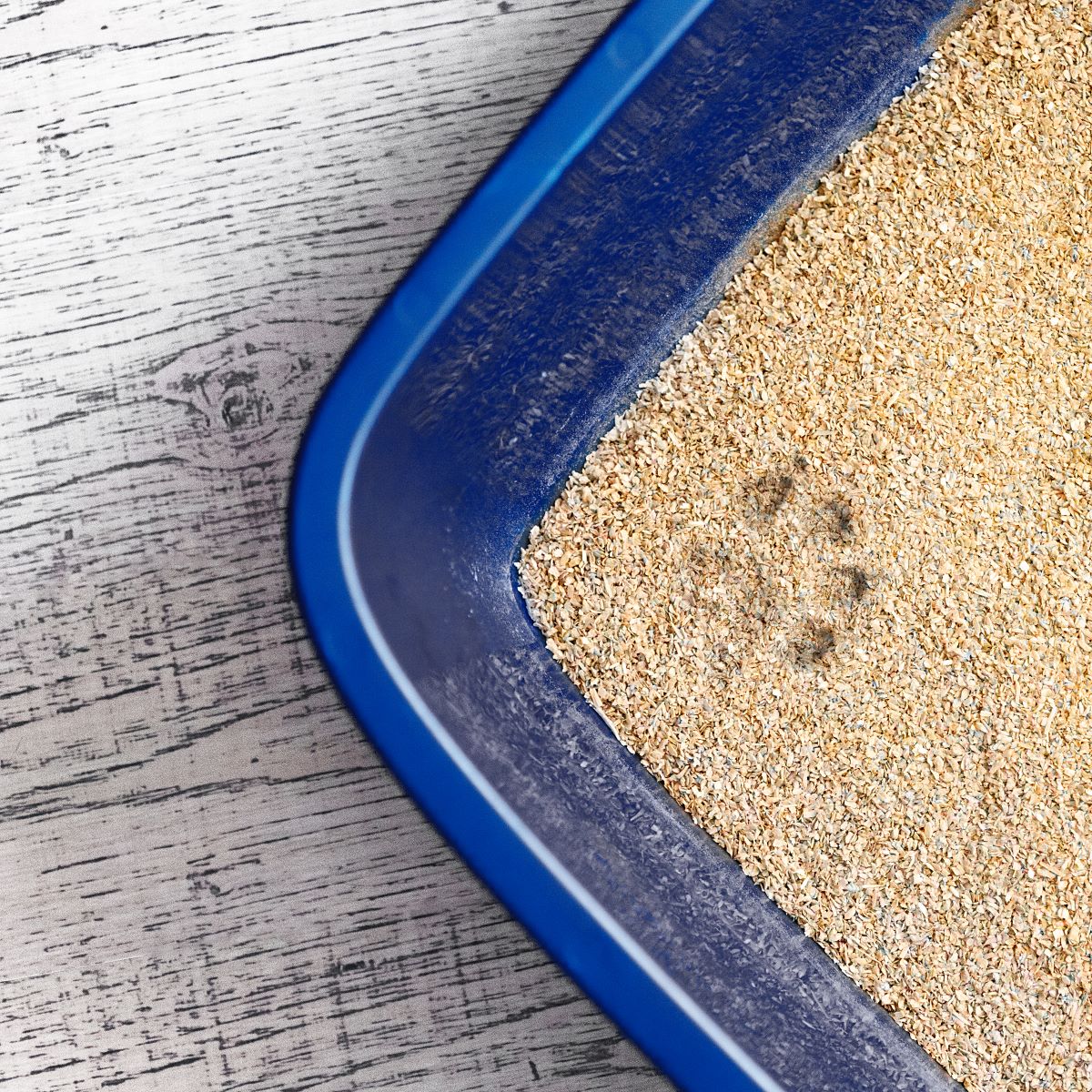
Natural Wood Cat Litter vs Clay & Silica: What's the Difference and Why Make the Switch Today
Read More

 email us