



Tips for Traveling with Your ESA
Image source: https://unsplash.com/photos/closeup-photography-of-woman-holding-adult-golden-retriever-sWkkIiTJMYc
A Brief Overview of Emotional Support Animals
An Emotional Support Animal is a companion that helps individuals manage mental or emotional health challenges. Providing comfort through their presence, ESAs can alleviate feelings of stress, anxiety, or depression.
Unlike service animals, ESAs do not require formal training to perform tasks. Their primary role is to offer emotional stability rather than physical assistance.
For those in the U.S. looking to get an ESA, securing a letter from a licensed mental health professional is essential. If you're in Texas, you can access information specific to the state through this Texas ESA letter guide.
This document certifies your need for the support the animal provides and ensures compliance with applicable regulations.
Visiting Restaurants with Your ESA
Many restaurants offer pet-friendly patios, allowing both you and your furry friend to enjoy a relaxed dining experience.
Some top places to try are:
Trendy Diners: Enjoy brunch dishes with your ESA at your side.
Cozy Coffee Shops: Sip freshly brewed coffee in a welcoming atmosphere.
Craft Breweries: Delight in locally crafted beers with great patio service.
Burger Joints: Savor delicious, high-quality burgers alongside your companion.
Dining out with your ESA is easy, thanks to pet-friendly spots that let you enjoy great food and quality time simultaneously.
Exploring Parks with Your ESA
Explore the great outdoors with plenty of green spaces offering trails and designated off-leash areas:
Spacious Parks: Perfect for giving your ESA some freedom to roam safely.
Urban Parks: Featuring serene paths and beautiful natural settings.
Parks with Panoramic Views: Ideal for peaceful walks and breathtaking scenery.
Riverside Spots: Great for exploration and enjoying diverse terrain.
These parks offer the perfect mix of outdoor fun and bonding time with your ESA, whether you seek scenic views, quiet trails, or open spaces to play.
Dog-Friendly Hotels
Planning an overnight stay? Look for hotels that welcome pets, providing comfort and convenience for you both.
Consider:
Boutique Hotels: Stylish rooms with a welcoming pet policy.
Extended-Stay Options: Near great walking trails.
Luxury Accommodations: Tailored amenities for pet owners.
Modern Spaces: Embracing simplicity and ESA-friendly services.
These hotels make sure your trip is stress-free and inclusive of your furry companion.
More Tips for Traveling with Your ESA
Traveling with your ESA can be rewarding with some preparation:
Check pet policies for airlines, buses, or accommodations ahead of time.
Bring your ESA letter to avoid issues in public spaces.
Carry essentials like water, snacks, and waste bags during outings.
Focus on pet-friendly amenities such as outdoor patios or parks, and keep your ESA leashed unless in designated off-leash areas.
With thoughtful planning and awareness of local guidelines, your journey with your ESA becomes an enjoyable adventure for both of you!
Read MoreBack to Basics: How to Set Up the Purr-fect Litter Box with ökocat® Natural Cat Litter
Let’s be real: nobody adopts a cat because they love scooping litter boxes. But the truth is, when you nail the basics, the litter box doesn’t have to be a daily battle. In fact, it can be… dare we say… easy. Your cat gets a clean, cozy bathroom, and you get a fresher home (and way fewer side-eye glares from your feline roommate).
So, let’s go back to basics—because the secret to a happy cat household might just start with the litter box.
Step 1: Pick the Right Box (Yes, It Matters)
Your cat may not be picky about sleeping on your laptop keyboard, but when it comes to their bathroom, they definitely have opinions.
Bigger is better: Think of it like this—would you rather use a cramped porta-potty or a roomy spa bathroom? Same goes for your cat.
Covered or uncovered? Some cats want privacy. Others? Exhibitionists. Let them decide.
One per cat, plus one extra: It’s the golden rule. Sharing is not caring when it comes to litter boxes.
Step 2: Ditch the Clay, Go Natural
Here’s where ökocat® natural litter shines (literally—it’s wood-based and kind of beautiful). Unlike dusty, perfume-heavy clay litters, ökocat:
Locks in odors naturally (so your cat’s bathroom doesn’t become your home’s signature scent).
Is 99% dust-free (breathe easy, whiskers included).
Eco-friendly (good for your cat, your home, and the planet).
Gentle on paws (imagine a soft forest floor instead of gravel—much nicer).
Step 3: Layer It Just Right
Cats love to dig and cover. The sweet spot? About 2–3 inches of ökocat. Too shallow and they can’t cover. Too deep and you’ve basically created a wood-chip beach.
Step 4: Location, Location, Location
Think about where you would want a bathroom. Not in the middle of the kitchen, right? Same goes for your cat.
Quiet, low-traffic areas work best.
Away from food and water (cats are clean freaks).
Skip the scary laundry room with the noisy spin cycle—no one wants that bathroom anxiety.
Step 5: Keep It Fresh (Without Losing Your Mind)
Here’s the routine:
Scoop daily (your cat will thank you with fewer “accidents”).
Top it off weekly with fresh ökocat.
Swap completely every 4–6 weeks. Bonus: ökocat’s natural odor control means you’ll do full cleanouts less often than with clay.
Back to Basics = Back to Happy Cats
At the end of the day, your cat doesn’t ask for much: a comfy nap spot, food on time, and a litter box that doesn’t make them cringe. Set it up right with ökocat natural litter, and you’ll both breathe easier (literally). Because a happy litter box = a happy cat = a happier you.
Read MoreWhat to Do After a Dog Bite: A Quick Guide
https://www.pexels.com/photo/brown-dog-biting-a-rope-2813361/
Dog bites can lead to serious physical and emotional consequences. Knowing how to react after such an incident is crucial for your health and for establishing a legal route if needed. Whether you are the bite victim or the owner of the dog, understanding your next steps will help you handle the situation effectively. This guide outlines the actions to take immediately following a dog bite, what to expect in medical treatment, and how to assess whether seeking legal advice is necessary.
Immediate Steps to Take After a Dog Bite
The first action to take after a dog bite is to ensure safety. If you are in a public place, calmly move away from the dog to prevent further bites. Assess your injury, as even minor bites may require medical attention. Clean the wound with soap and water, as prompt cleaning can reduce the risk of infection. Apply a clean bandage but avoid using gauze if the wound is deep or bleeding excessively.
After you stabilize your condition, it’s important to report the bite to the dog's owner if applicable or to local authorities, such as animal control. Document the event by noting the dog's breed, size, and vaccination status to help medical professionals determine the treatment needed. Taking photographs of your injury can be useful documentation for any potential future claims.
Medical Treatment and Recovery
When you visit a healthcare professional, they will evaluate the severity of your injury through a physical examination. Depending on the depth and location of the bite, you may need stitches, a tetanus shot, or even a rabies vaccination if the dog’s vaccination history is unknown. Treatment often includes cleaning the wound, applying topical antibiotics, and dressing it properly to promote healing.
Recovery can take several days to weeks, depending on the nature of the bite. It’s important to follow your doctor's instructions closely, including taking prescribed medications and attending follow-up appointments. Keep an eye out for signs of infection, such as increased redness, swelling, or pus. If such symptoms occur, seek immediate medical attention.
Understanding the Legal Implications
In many jurisdictions, dog owners can be held legally responsible for injuries caused by their pets. This is particularly the case if the owner was aware of the dog’s aggressive tendencies. Understanding local laws regarding dog bites can help clarify your rights as a victim. In certain areas, the concept of “strict liability” applies, meaning the owner is responsible regardless of the dog's history or the circumstances of the bite. Consulting legal experts, as Easton Personal Injury Lawyers note, can provide invaluable insights into how to proceed after a dog bite. They can guide you on whether to file a claim, based on the specifics of your case.
An experienced attorney will help assess your damages, which may include medical expenses, pain and suffering, or lost wages. Working with legal professionals might be necessary, especially if negotiations with the dog owner become complex.
Emotional Support and Counseling
Dog bites cause physical injuries and emotional distress. Victims often experience fear, anxiety, or post-traumatic stress disorder (PTSD) following such incidents. Recognizing the emotional impact is critical. Seeking counseling or speaking with a therapist can aid in processing these feelings and assist in recovery.
Support from friends and family can play a strong role in emotional healing. It’s important to communicate how you feel openly, whether that involves sharing your concerns or your fears of encountering dogs in the future. Engaging in activities that promote relaxation and mental well-being can help. Techniques like deep breathing, meditation, and mindfulness are effective ways to manage stress.
Preventative Measures Moving Forward
After recovering from a dog bite, taking steps to prevent future incidents is crucial. Educating yourself on canine behavior can drastically improve interactions with dogs. Understanding body language and what signals indicate aggression or fear will help mitigate risks. For dog owners, proper training and socialization of their pets can prevent aggressive behavior, keeping both their pets and the community safe.
Local dog training classes can offer valuable insights for both dog owners and potential victims on how to react and behave around dogs, improving social interactions. Promoting awareness about responsible pet ownership can lead to a safer environment for everyone.
Moving Forward After a Dog Bite
Navigating the aftermath of a dog bite involves more than immediate treatment. Once the wound is stabilized and reported, it’s important to think about the long-term impact on your health, safety, and peace of mind. This may include follow-up medical care, keeping detailed documentation for potential claims, and paying attention to emotional recovery.
Of course, prevention is best, but accidents do happen. That’s why having skills beyond first aid, like being trained through CPR classes Edmonton, can give pet owners added confidence if a serious bite or injury ever occurs.
Many victims benefit from creating a plan that addresses both physical healing and preventive measures for the future. If you are a dog owner, reviewing your pet’s training, vaccination records, and socialization can help reduce risks going forward. For victims, learning more about canine behavior and how to respond in stressful encounters can provide confidence and reassurance.
https://www.pexels.com/photo/close-up-of-a-happy-dog-in-nature-outdoors-31616407/
Recovering from a dog bite is about treating the physical wound, addressing emotional well-being, and understanding your legal rights. Taking prompt action and seeking professional guidance can prevent complications and provide peace of mind. With the right support, victims can heal more effectively and regain confidence. Learning from the experience can help create safer interactions between people and dogs in the future.
Read MoreBest Gift Ideas for Cats in 2025: Spoil Your Feline Friend
As a proud cat parent, I’ve always loved the ritual of spoiling my feline companions. Cats might be independent creatures, but deep down, they crave love, play, and comfort just like us. Over the years, from interactive toys to cozy beds, I’ve tested countless products. In 2025, the variety of thoughtful gifts for cats has only grown. I’d like to take this opportunity to share some of my personal experiences.
What I Value Most as a Cat Owner
Before diving into specific gift ideas, I think it’s important to share what I personally value most when choosing presents for my cats. Over time, I’ve realized that my priorities fall into three main areas:
Mental stimulation: I want my cats to stay curious and active, which is why puzzle toys and climbing towers are at the top of my list.
Comfort and safety: A warm bed, a soft blanket, or a safe hideaway makes my cats feel secure and cared for.
Emotional connection: Gifts that celebrate the bond between me and my cats always stand out, because they hold meaning beyond daily routines.
When I shop for cat gifts, I’m not just thinking about entertainment. I’m choosing things that enrich their lives, make them feel loved, and strengthen our relationship.
Choosing the Best Gifts in 2025
With these priorities in mind, I've explored this year’s most popular and creative options for cats. Some gifts focus on fun and activity, others provide comfort and wellness, and a few capture the sentimental bond we share with our feline friends. The following categories represent what I believe are the best gift ideas for cats in 2025 that both pets and their owners will truly appreciate.
Interactive Toys for Playful Cats
Cats are natural hunters, and interactive toys allow them to channel that instinct in safe, engaging ways. My cat, Luna, is obsessed with treat-dispensing balls. She’ll spend half an hour batting them around, figuring out how to release her favorite snacks. These toys aren’t just fun but they provide much-needed mental stimulation and physical exercise.
Another staple in my household is the automatic laser toy. With adjustable speeds and random movement patterns, it keeps Luna entertained while I’m busy working from home. I’ve noticed that she sleeps better after long play sessions, and I feel good knowing she’s happy and active.
Cozy Beds and Cat Caves
If you’ve ever lived with a cat, you know they can turn almost anything into a nap spot, such as boxes, laundry baskets, even your laptop. But nothing compares to a plush, well-designed cat bed. I bought a donut-shaped bed with faux fur last winter, and it instantly became Milo’s favorite retreat. The raised edges provide just enough support for him to curl into a little ball and snooze for hours.
For colder months, heated mats are a wonderful option. I placed one near the window where my cats love to perch, and it quickly became their chosen spot for watching birds outside.
Scratching Posts and Climbing Towers
Cats need to scratch because it keeps their claws healthy and helps them mark their territory. Investing in a sturdy scratching post was a lifesaver for my furniture. In 2025, multi-functional climbing towers are especially popular. They combine scratching poles, cozy hideouts, and elevated perches. Watching Luna leap from platform to platform makes me feel like I’ve given her a miniature jungle gym indoors.
Sentimental Keepsakes: A Special Gift from PetDecorArt
Beyond toys and beds, sometimes the best gifts are the ones that celebrate the bond we share with our pets. This year, I discovered something extraordinary: the Custom 3D Wool Needle-Felted Full-Body Pet Portrait from PetDecorArt.
Unlike regular plush toys, these are handcrafted, lifelike sculptures made from high-quality wool. You simply upload a photo of your cat, choose the pose, and skilled artisans recreate every tiny detail, including fur patterns, eye color, even the way your cat’s tail curls.
I decided to order one of Luna in her classic “pounce” pose, and when it arrived, I was stunned. The tiny replica looked so real that friends did a double take when they saw it on my shelf. What makes it truly special is that I have an emotional connection with a miniature version of my cat, which feels personal and permanent. For me, it’s more than a gift; it’s a keepsake I’ll treasure forever.
Everyday Essentials with a Twist
Sometimes, the simplest gifts can bring daily joy. Personalized feeding mats, stylish water fountains, or engraved ID tags are thoughtful additions that also make life easier for both pets and owners. I recently upgraded to a ceramic fountain that keeps the water fresh and flowing, and I’ve noticed my cats are drinking more, which is great for their health.
Even small items, like fun-shaped food bowls or catnip-filled toys, add charm to a cat’s routine. These little touches show love in everyday moments.
Grooming and Wellness Gifts
Cats are usually great at grooming themselves, but a little help goes a long way. In 2025, self-cleaning brushes and grooming gloves have been trending, making the process less stressful for both the cat and the owner. I use a silicone grooming glove that collects loose fur while doubling as a gentle massage tool. Luna purrs non-stop during grooming sessions, and I appreciate the reduced shedding around the house.
Wellness gifts also extend to calming sprays, supplements, or puzzle feeders that encourage slow eating. These products aren’t flashy, but they make a big difference in your cat’s overall health and happiness.
Celebrate the Bond
When it comes to gifting, cats may not understand the price tag, but they certainly feel the love behind every choice. From interactive toys and cozy beds to sentimental keepsakes, each gift has the power to enrich both your cat’s life and your own.
For me, the standout of 2025 has been the Custom 3D Wool Needle-Felted Pet Portrait from PetDecorArt. It’s a gift that goes beyond fun or comfort and it captures the heart of what it means to share your life with a cat. Every time I glance at Luna’s tiny wool double, I’m reminded of the joy she brings into my home.
So whether you’re looking to entertain, comfort, or commemorate, this year’s best gift ideas prove one thing: our feline friends deserve to be spoiled, and they give us love that’s worth celebrating every day.
Read MoreSimple Ways to Help Pets Stay Mobile and Comfortable as They Age
Photo by Linoleum Creative Collective on Unsplash
Watching your beloved companion slow down can be one of the most challenging aspects of pet ownership. Those once-energetic leaps onto the couch become careful calculations, and morning walks may require a bit more encouragement than before. Aging is a natural part of your pet's journey, and with thoughtful adjustments to their daily routine and environment, you can help them maintain their quality of life while staying comfortable and mobile for years to come.
Senior pets face unique challenges as their bodies change, but many age-related mobility issues can be managed effectively with proactive care. Understanding what your furry friend is experiencing and implementing supportive measures can make the difference between a pet who struggles with daily activities and one who continues to enjoy life with enthusiasm. Small changes in your approach to their care often yield significant improvements in their comfort and movement.
Recognizing the Signs of Aging
Your pet's mobility changes often develop gradually, making them easy to overlook until they become more pronounced. Research shows that osteoarthritis affects approximately 20% of all dogs over 1 year of age in North America, though prevalence estimates vary from 6.6% to 20% depending on the study population. Stiffness after rest periods, hesitation before jumping or climbing stairs, and slower movement during walks are common early indicators that your pet may be experiencing age-related discomfort.
Changes in sleeping patterns can also signal mobility issues, as pets may struggle to find comfortable positions or have difficulty settling down. Pay attention to subtle shifts in behavior, such as avoiding certain surfaces or preferring to rest in different locations around your home. Early recognition of these signs allows you to address comfort issues before they significantly impact your pet's daily life.
Creating a Comfortable Living Environment
Your home environment plays a crucial role in supporting your aging pet's mobility. Providing orthopedic bedding can offer additional joint support and help alleviate pressure points during rest periods. Memory foam beds or heated beds can be particularly beneficial for pets with arthritis or joint stiffness. Many pet owners find success in turning unused spaces into comfortable pet rooms, creating dedicated areas where senior pets can rest undisturbed and access everything they need easily.
Consider the flooring throughout your home and how it affects your pet's movement. Slippery surfaces like hardwood or tile can be challenging for pets with mobility issues. Adding non-slip rugs or yoga mats in high-traffic areas provides better traction and confidence for your pet as they navigate your home. Ensure pathways remain clear of obstacles that might require extra effort to navigate around.
Ramps or pet stairs can eliminate the need for jumping onto furniture or into vehicles, reducing strain on aging joints. These assistive devices should have a gentle incline and non-slip surfaces to ensure safe use. Many pets adapt quickly to these tools, especially when introduced gradually with positive reinforcement.
Adjusting Exercise and Activity Levels
Maintaining appropriate physical activity remains important for senior pets, though the approach may need modification. Studies show that gait speed in dogs decreases with age in a non-linear fashion, with decline typically starting at approximately 70% of the expected lifespan. Understanding these natural changes can help you adjust expectations and tailor exercise routines accordingly.
Shorter, more frequent walks often work better than longer excursions, allowing your pet to stay active without overexertion. Swimming can provide excellent low-impact exercise for pets who enjoy water, as the buoyancy reduces stress on joints while maintaining muscle strength.
Gentle stretching exercises can help maintain flexibility and range of motion. Simple activities like encouraging your pet to reach for treats or toys can promote movement without strain. Many veterinary clinics offer physical therapy programs specifically designed for senior pets, providing professional guidance on appropriate exercises and techniques.
Mental stimulation becomes equally important as physical activity. Puzzle toys, treat-dispensing games, and training sessions keep your pet's mind engaged while requiring minimal physical effort. These activities can help prevent depression and maintain cognitive function, contributing to overall well-being.
Photo by Sergej Warkentin from Unsplash
Nutritional Support for Joint Health
Proper nutrition plays a vital role in supporting your aging pet's mobility and comfort. Senior pet foods are formulated with adjusted protein levels and may include supplements that support joint health. Omega-3 fatty acids can help reduce inflammation and support joint function, while glucosamine and chondroitin supplements may help maintain cartilage health.
Natural herbal supplements are increasingly recognized for their joint support benefits across different animal species. Pet owners who also care for horses may already be familiar with specialized formulations like an equine joint supplement that combines multiple herbs to support joint mobility and connective tissue health. These natural approaches often focus on supporting the body's own mechanisms for maintaining healthy joints and reducing inflammation.
Weight management becomes increasingly important as pets age, since excess weight places additional stress on already sensitive joints. Work with your veterinarian to determine the ideal weight for your pet and adjust feeding portions accordingly. Some senior pets may benefit from more frequent, smaller meals to aid digestion and maintain steady energy levels throughout the day.
Always introduce dietary changes gradually to avoid digestive upset, and consult with your veterinarian before adding supplements to ensure they're appropriate for your pet's specific needs and won't interact with any existing medications.
Professional Care and Pain Management
Regular veterinary check-ups become more critical as pets age, allowing for early detection and treatment of mobility issues. Your veterinarian can assess your pet's joint health, recommend appropriate treatments, and monitor the progression of age-related changes. Many conditions that affect mobility respond well to early intervention.
Pain management strategies may include prescription medications specifically designed for pets, which can significantly improve quality of life. Never give human pain medications to pets, as many are toxic to animals. Your veterinarian can prescribe safe, effective options tailored to your pet's needs and medical history.
Alternative therapies such as acupuncture, massage, and laser therapy are increasingly available for pets and may provide additional comfort for those with mobility challenges. These treatments often work well alongside traditional medications and can offer drug-free options for managing discomfort.
Maintaining Quality Time Together
Aging doesn't mean the end of enjoyable activities with your pet; it simply requires creativity and adaptation. Shorter outdoor adventures, car rides to interesting locations, and gentle grooming sessions can continue to provide bonding opportunities. Many senior pets appreciate quiet companionship and may enjoy simply being near you during daily activities.
As pets age, some may develop new behavioral challenges related to discomfort or confusion. Learning techniques for improving dog's behavior can be especially valuable during this stage, as gentle training methods can help senior pets adapt to physical limitations while maintaining good habits. Positive reinforcement remains effective regardless of age, and patient guidance can help pets navigate changes in their routine or environment.
Consider your pet's changing preferences and energy levels when planning activities. Some may prefer sunny spots for napping, while others might enjoy supervised exploration of new scents during brief outings. Maintaining routines provides comfort and security for aging pets, while gentle variations can keep life interesting.
Supporting your aging pet through their senior years is an act of love that requires patience, observation, and adaptation. By making thoughtful adjustments to their environment, exercise routine, and care regimen, you can help them navigate this life stage with dignity and comfort. Remember that every pet ages differently, and what works for one may not work for another. The key lies in staying attentive to your pet's individual needs and working closely with your veterinary team to ensure they receive the best possible care during their golden years.
Read MoreFilter - Key Words
- bedding
- beding
- biodegradable
- Bunny
- carefresh
- cat health
- cats
- CritterCare
- diet
- dog
- donation
- ferret
- food
- Guinea Pig
- habitat
- hamster
- health
- Healthy Pet
- kitten
- Leadership
- litter
- multi
- okocat
- ökocat®
- paper bedding
- pet love
- pets
- puppy
- Rabbit
- safety
- small animal
- small pet
- sustainable
- tracking
- Vet
- Veterinarian

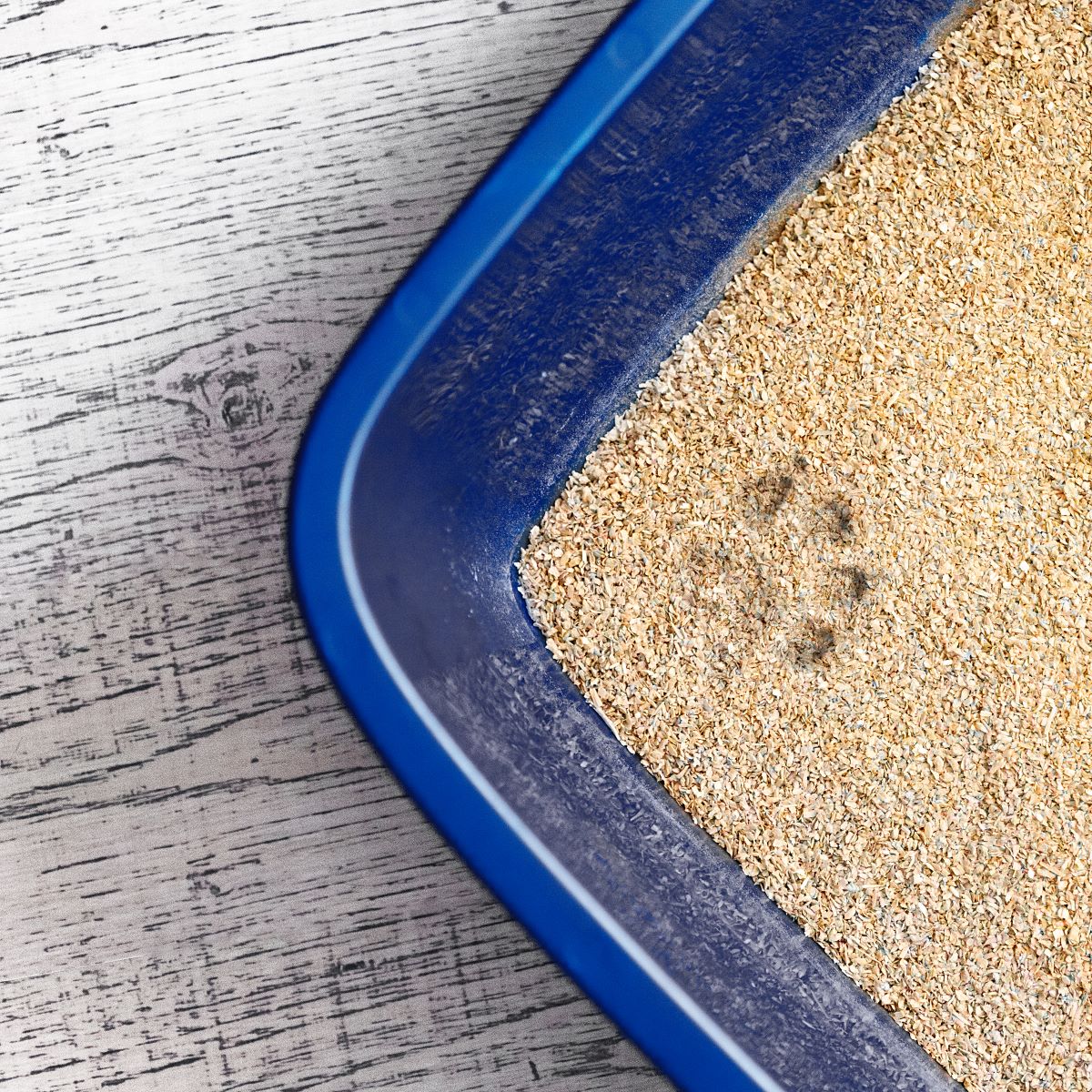
Natural Wood Cat Litter vs Clay & Silica: What's the Difference and Why Make the Switch Today
Read More

 email us