



Bedding & Small Pet Health: How the Right Choice Supports Hamsters, Guinea Pigs, Rabbits, and Rats
Bedding isn’t just “the stuff on the bottom of their home.” For small pets, it’s a 24/7 environmental input that affects breathing, skin, digestion, stress levels, and even how safely they can move around. The right bedding can reduce odor and moisture, support natural behaviors like burrowing and nesting, and help prevent common health problems. The wrong bedding can irritate sensitive airways, create painful sores, or trap ammonia from urine.
Below is a practical, species-by-species guide to choosing healthier bedding for hamsters, guinea pigs, rabbits, and rats.
Why bedding matters for small pet health
Small pets spend most of their lives in close contact with bedding—walking on it, digging through it, sleeping in it, and breathing the air right above it. Three bedding factors drive most health outcomes:
Dust level: Fine particles can irritate airways and eyes.
Absorbency & ammonia control: Urine breaks down into ammonia, which can inflame lungs and stress the immune system.
Texture & safety: Rough or sharp materials can cause foot sores; stringy fibers can tangle or be swallowed.
A healthy setup usually includes:
Low-dust, high-absorbency bedding like carefresh
Adequate depth for the species
Routine spot-cleaning to limit ammonia buildup
Safe nesting material (species-appropriate)
Hamsters: prioritize burrowing, low dust, and nesting safety
Hamsters are burrowers. Bedding affects both their mental wellbeing and physical health.
Best bedding for hamsters
carefresh Paper-based bedding (low dust)
A deep layer to allow tunneling (many owners underestimate depth)
Health risks from the wrong bedding
Dusty bedding can trigger sneezing, watery eyes, and respiratory irritation.
Strongly aromatic softwoods (like some pine/cedar products) may irritate the respiratory system.
Fluffy cotton “nesting fluff” can wrap around limbs or be ingested, causing injury or blockage.
Hamster bedding tips
Give enough depth to burrow and add paper strips for safer nesting.
Spot-clean urine areas frequently to prevent odor and ammonia.
Guinea pigs: protect sensitive lungs and feet
Guinea pigs are prone to respiratory issues and can develop painful foot problems if bedding is damp, rough, or dirty.
Best bedding for guinea pigs
carefresh Paper-based bedding (low dust)
Fleece liners (when properly maintained with absorbent layers beneath)
Health risks from the wrong bedding
Wet or ammonia-heavy bedding can contribute to respiratory irritation.
Rough wood shavings or wire flooring increases risk of sore feet (bumblefoot).
Scented bedding can be irritating.
Guinea pig bedding tips
Keep bedding dry and prioritize frequent spot cleaning, especially in “kitchen” areas.
If using fleece, wash on a consistent schedule and ensure moisture isn’t pooling.
Rabbits: prevent sore hocks and keep litter areas clean
Many rabbits use a litter box, and bedding choices often overlap with litter choices. Rabbits are also vulnerable to foot sores (“sore hocks”) when surfaces are hard, wet, or abrasive.
Best bedding/litter for rabbits
Paper-based pellets (common for litter boxes) like carefresh Rabbit & Ferret Litter
Paper bedding for comfort areas
Soft, supportive resting surfaces (mats, rugs, fleece blankets—kept dry)
Health risks from the wrong bedding
Clumping cat litter can be dangerous if ingested.
Dusty materials may irritate airways.
Wet bedding can lead to skin irritation and flystrike risk outdoors or in warm climates.
Rabbit bedding tips
Use a litter box setup that keeps urine contained and reduces contact with wet spots.
Provide soft resting areas and keep them dry to protect feet.
Rats: focus on ammonia control and airway health
Rats have delicate respiratory systems and are especially sensitive to ammonia buildup. Bedding that doesn’t control odor well can quickly create an unhealthy environment.
Best bedding for rats
carefresh Paper-based bedding with strong absorbency
Kiln-dried aspen (often used successfully if low dust)
Hemp bedding (popular for odor control, but choose reputable, low-dust options)
Health risks from the wrong bedding
High-ammonia environments can worsen chronic respiratory disease.
Dusty bedding can trigger snuffling, sneezing, and irritation.
Aromatic softwoods may be irritating depending on processing and sensitivity.
Rat bedding tips
Spot-clean more often than you think you need—rats produce a lot of urine for their size.
Ensure strong ventilation (without drafts) and avoid bedding that breaks down into powder.
Quick bedding do’s and don’ts
Do
Choose low-dust bedding such as carefresh
Spot-clean daily (or near-daily) in high-traffic pee zones.
Keep bedding dry—moisture is a health multiplier for odor, bacteria, and skin issues.
Introduce new bedding gradually if your pet is sensitive.
Don’t
Use cotton fluff nesting for hamsters.
Use clumping litter for rabbits (or small pets generally).
Assume “natural” or “wood” automatically means safe—processing, dust, and additives matter.
FAQs
What bedding is best for hamsters?
Low-dust carefresh paper bedding is a common top choice because it supports burrowing and is gentle on airways. Provide deep bedding so hamsters can tunnel safely.
What bedding is best for guinea pigs?
Low-dust paper bedding is widely recommended for comfort and respiratory friendliness. Fleece liners can also work well if washed frequently and paired with an absorbent underlayer to keep the surface dry.
What bedding is best for rabbits?
For litter boxes, paper-based pellets are a popular, low-dust option. For lounging areas, provide soft, dry surfaces (blankets, fleece, mats) and avoid dusty or clumping litters.
What bedding is best for rats?
Rats do best with bedding that controls moisture and ammonia, such as carefresh absorbent paper bedding. The key is keeping ammonia low through bedding choice plus frequent spot cleaning.
Can bedding cause respiratory infections in small pets?
Bedding itself doesn’t “cause” infections, but dust and ammonia can irritate airways and make pets more vulnerable to respiratory illness. Choosing low-dust, absorbent bedding and cleaning regularly helps reduce risk.
Is pine or cedar bedding safe for hamsters, guinea pigs, rabbits, or rats?
Many owners avoid cedar and strongly aromatic softwoods because they can be irritating to sensitive respiratory systems. If you use wood bedding, kiln-dried aspen is often preferred. When in doubt, choose low-dust paper bedding like carefresh.
How often should I change small pet bedding?
Spot-clean daily and do a fuller change as needed based on odor, dampness, and cage size. As a general rule, smaller enclosures need more frequent changes. If you smell ammonia, your pet has been smelling it longer.
What are signs bedding is bothering my pet?
Sneezing, watery eyes, noisy breathing, reduced activity, itching, hair loss, red skin, or sore feet can all be clues. Also watch for increased odor and damp bedding—those conditions can quickly worsen health.
What bedding should I avoid for small pets?
Avoid cotton fluff nesting (especially for hamsters), clumping litter (especially for rabbits), very dusty bedding, and strongly scented products. Also avoid anything that stays wet or feels rough underfoot.
Bottom line
Bedding is one of the easiest “health upgrades” you can make for small pets. Aim for low dust, high absorbency, and species-appropriate comfort, then pair it with consistent spot-cleaning to keep ammonia low. If you’re choosing one principle to follow: dry + low dust = healthier airways, healthier skin, and a less stressful home.
Read MoreHow to Choose the Right Bedding for Small Animal Pets - Guinea Pigs, Hamsters & More
Choosing the right bedding for small animals like guinea pigs, hamsters, gerbils, and mice is one of the most important decisions you’ll make as a pet owner. Bedding affects your pet’s comfort, health, odor control, and overall happiness—and not all bedding types are created equal.
In this guide, we’ll break down the best bedding options for small animal pets, what to avoid, and how to choose the safest and most comfortable bedding for your furry companion.
Why Bedding Matters for Small Animals
Small animals spend most of their lives in close contact with their bedding. The right bedding helps:
Absorb moisture and control odors
Support natural burrowing behaviors
Protect sensitive respiratory systems
Keep cages clean and hygienic
Prevent foot and skin problems
Poor-quality or unsafe bedding can lead to respiratory infections, allergies, and discomfort, especially for guinea pigs and hamsters.
Key Factors to Consider When Choosing Small Animal Bedding
1. Safety and Toxicity
Always choose non-toxic, pet-safe bedding such as carefresh paper bedding. Avoid materials treated with chemicals or containing aromatic oils, which can irritate lungs and skin.
Avoid:
Cedar bedding
Pine bedding that is not kiln-dried
Bedding with added fragrances or perfumes
2. Absorbency and Odor Control
Highly absorbent bedding keeps your pet dry and reduces ammonia buildup from urine. This is especially important for guinea pigs, who urinate frequently.
Look for bedding labeled as:
High-absorbency
Odor-controlling
Ammonia-reducing
3. Dust Level
Dust can cause respiratory issues, especially in hamsters and guinea pigs.
Choose:
Low-dust or dust-free bedding
Bedding designed specifically for small animals
4. Comfort and Texture
Bedding should be soft on paws and allow natural behaviors like nesting and burrowing.
Guinea pigs prefer soft, cushioned bedding
Hamsters enjoy bedding they can tunnel through
Best Bedding Options for Guinea Pigs
Guinea pigs have sensitive lungs and feet, so bedding choice is critical.
Recommended Options
Paper-based bedding (soft, absorbent, low dust)
Fleece bedding systems (washable and reusable)
Aspen wood shavings (only kiln-dried)
Bedding to Avoid
Cedar or untreated pine
Corn cob bedding (risk of mold and ingestion)
Best Bedding Options for Hamsters
Hamsters love to dig and burrow, so bedding depth and texture matter.
Recommended Options
Paper bedding (excellent for burrowing)
Aspen shavings
Hay mixed with paper bedding for enrichment
Aim for 6–10 inches of bedding to allow natural tunneling behavior.
Natural vs. Synthetic Bedding: Which Is Better?
Natural Bedding
Pros:
Biodegradable
Often better for burrowing
Cons:
May require more frequent changes
Synthetic (Fleece) Bedding
Pros:
Reusable and eco-friendly over time
Soft and comfortable
Cons:
Requires regular washing
Not good for odor control
Not suitable for burrowing animals like hamsters
How Often Should You Change Bedding?
Guinea pigs: Spot clean daily, full change 1–2 times per week
Hamsters: Spot clean every few days, partial change weekly
Never replace all bedding at once for hamsters—keeping some familiar scent reduces stress.
FAQs About Small Animal Bedding
What is the safest bedding for guinea pigs?
Paper-based bedding and fleece liners are considered the safest options due to their low dust levels and high absorbency.
Is wood shavings bedding bad for hamsters?
Not all wood shavings are bad. Kiln-dried aspen is safe, but cedar and non-treated pine should always be avoided.
Can I use cat litter as small animal bedding?
No. Cat litter is not designed for small animals and can cause respiratory issues or digestive blockages if ingested.
How deep should hamster bedding be?
At least 6 inches, but 8–10 inches is ideal for burrowing and enrichment.
What bedding is best for odor control?
Paper-based bedding is typically the best for odor control, especially for guinea pigs.
Final Thoughts: Choosing the Best Bedding for Your Small Pet
The right bedding can make a huge difference in your small animal’s health, comfort, and quality of life. Always prioritize low dust, high absorbency, and safety over convenience or cost.
Whether you’re caring for a guinea pig, hamster, or another small pet, investing in quality bedding is one of the simplest ways to keep them happy and healthy.
Read MoreBest Gifts for Small Animal Pets: Top Ideas for Hamsters, Rabbits & Guinea Pigs
Looking for the best gifts for your small animal pet? Whether you share your home with a hamster, rabbit, or guinea pig, choosing the right enrichment helps keep them happy, active, and healthy. This guide breaks down the top enrichment ideas, accessories, toys, and treats—all optimized to help you find exactly what you need for each species.
Why Enrichment Gifts Matter for Small Animals
Small pets may be tiny, but their instincts are big. The right gifts can help with:
Mental stimulation
Natural foraging and chewing behaviors
Physical exercise
Reducing boredom and stress
Giving your pet a new toy or accessory is more than cute—it improves their overall well-being.
Best Gifts for Hamsters
1. Interactive Foraging Toys
Hamsters love to search for food. Foraging toys encourage natural burrowing and sniffing instincts.
2. Sand Baths
A sand bath gift keeps their coat clean and supports healthy grooming habits.
3. Multi-Level Hideouts & Tunnels
Wooden hideouts, cork logs, and bendable tunnels offer endless exploring opportunities.
4. Chew Toys (Safe Woods Only)
Ideal materials: applewood, aspen, and birch. Chews help file down teeth and prevent boredom.
5. Exercise Wheels (Correct Size)
Make sure the wheel is large enough to prevent back arching. A 10–12 inch wheel is best for Syrian hamsters.
Best Gifts for Rabbits
1. Rabbit-Safe Chew Toys
Rabbits need constant chewing to keep teeth healthy. Look for toys made of hay, willow, seagrass, or untreated wood.
2. Hideaway Houses & Tunnels
Perfect for naturally shy rabbits who need spaces to rest and feel secure.
3. Forage Mats & Treat Balls
These encourage slow feeding and reduce boredom—great daily enrichment.
4. Snuggle Beds & Soft Mats
Bunnies love cozy spaces. Fleece or woven grass mats add comfort and warmth.
5. Large Playpens or Indoor Exercise Pens
Gives rabbits safe space to hop, zoom, and stretch—especially important for indoor rabbits.
Best Gifts for Guinea Pigs
1. Cozy Hideouts (Fleece or Grass)
Guinea pigs rely on hiding spots to feel safe. Tunnel beds and snuggle sacks make great gifts.
2. Chew Toys for Dental Health
Timothy hay twists, wooden blocks, and loofah chews are all safe options.
3. Foraging Toys & Treat Puzzles
Ideal for mental enrichment and controlled treat-giving.
4. Large Play Mats & Fleece Liners
Soft flooring keeps their feet comfortable and encourages more movement.
5. Veggie-Themed Treats (Healthy, Limited)
Choose natural treats made from dried vegetables or vitamin C-fortified options.
Best Universal Gifts for Any Small Animal
These gifts work for hamsters, rabbits, guinea pigs, and other small pets:
Timothy hay-based treats
Snuffle mats
Small pet tunnels
Chew sticks or natural wooden toys
DIY cardboard enrichment toys
Hiding huts
Foraging boxes filled with hay and pellets
These items support natural behaviors and help keep pets active and engaged.
How to Choose the Right Gift
When selecting a gift, consider:
Species-specific needs (hamsters burrow; rabbits chew more aggressively; guinea pigs need room to run)
Size of the toy or accessory
Safe materials (avoid painted, scented, or treated wood)
Your pet’s activity level and personality
Always supervise new toys and replace them when worn.
🧠 Notes & Tips for Pet Owners
Chew toys and tunnels are especially beneficial for dental health, because small animals’ teeth grow continuously.
Exercise wheels and tunnels help prevent boredom and keep pets physically active — important if they spend most time in a cage.
Foraging toys like treat puzzles encourage natural behaviors and mental stimulation, which improves well-being.
Always choose pet-safe materials (untreated wood, natural hay, safe plastics) to avoid toxic chemicals or choking hazards.
Final Thoughts: Small Gifts, Big Happiness
Whether you’re shopping for the holidays, a pet’s birthday, or just because, the best gifts for small pets are ones that improve their daily comfort, enrichment, and natural behaviors. With the right choice, your hamster, rabbit, or guinea pig will enjoy a happier, healthier, more engaging life.
Read MoreHow to Find an Experienced Ferret Vet Near You
Finding an experienced ferret vet near you is essential for your furry friend’s health and happiness. You need someone who understands ferrets’ unique medical needs and has the skills to provide specialized care. It’s not just about proximity; it’s about expertise and trust. There are many factors to ponder, from credentials to communication style. To safeguard your ferret receives the best care possible, you’ll want to explore some effective strategies for locating the perfect vet.
Understanding the Importance of Specialized Ferret Care
When it comes to the health of your ferret, understanding the importance of specialized care can’t be overstated. Ferrets are unique creatures with distinct needs that differ from other pets. Providing them with a specialized diet is vital, as their high metabolism requires nutrient-rich, protein-heavy foods. This guarantees they maintain their energy levels and overall well-being. Additionally, proper grooming techniques are essential to keeping your ferret healthy and comfortable. Regular grooming helps prevent fur matting and reduces the risk of hairballs, which can lead to serious health issues. By focusing on these specialized care aspects, you’re not just meeting your ferret’s basic needs, but also enhancing their quality of life, ensuring a happier, healthier companion by your side.
Identifying Key Qualities in a Ferret Vet
When selecting a ferret vet, you’ll want to guarantee they possess specialized knowledge about ferrets, as these unique creatures require distinct care compared to other pets. It’s also indispensable that your vet offers emergency care services, so you’re prepared for any urgent health issues that may arise. Additionally, effective communication and empathy are key, as they help build trust and guarantee your concerns are understood and addressed.
Specialized Ferret Knowledge
Although it might seem like any vet could handle a ferret’s health needs, finding one with specialized knowledge is pivotal for your pet’s well-being. Consulting an experienced ferret vet in Sacramento ensures your furry friend receives expert attention tailored to their unique nutritional and medical requirements. Ferrets have specific dietary needs, and an expert can guide you in selecting appropriate food options.
Moreover, grooming techniques are another essential aspect of ferret care. Ferrets require regular grooming to maintain their coat health and hygiene. A knowledgeable vet can teach you the best practices for grooming, from ear cleaning to nail trimming. Prioritizing a vet with ferret-specific expertise verifies your pet receives the best care possible, fostering a healthy, happy life.
Emergency Care Availability
While specialized knowledge in ferret care is essential, having a vet with emergency care availability is equally important for your pet’s well-being. Ferrets can face sudden health issues, so you need a vet who offers prompt availability during crises. Look for clinics that provide 24/7 access or have arrangements with nearby emergency facilities. This guarantees your ferret receives immediate attention when it matters most.
Additionally, established emergency protocols are pivotal. A vet with these protocols can quickly assess and treat your ferret, minimizing stress for both you and your pet. They should be experienced in handling ferret-specific emergencies, confirming the best possible outcomes. Choosing a vet with these qualities provides peace of mind, knowing your ferret is in capable hands during urgent situations.
Communication and Empathy
In selecting a ferret vet, effective communication and genuine empathy are indispensable qualities to ponder. You want a vet who excels in compassionate communication to guarantee you understand your ferret’s health needs clearly. It’s not just about relaying medical facts; it’s about listening to your concerns and acknowledging the emotional bond with your pet. This empathetic understanding fosters trust and confidence in the care provided. Consider these aspects:
Active Listening: Does the vet truly listen to your questions and concerns?
Clear Explanations: Are complex medical terms broken down into understandable language?
Emotional Support: Does the vet offer comfort and reassurance during stressful times?
Choosing a vet with these qualities guarantees your ferret receives the best possible care.
Utilizing Online Resources for Vet Research
How can experienced ferret vets stay current with the ever-evolving field of veterinary medicine? By effectively utilizing online resources, they can enhance their expertise and guarantee your ferret receives the best care possible. Start by employing online search strategies to identify vets who specialize in ferret care. Websites like VetFinder and the American Ferret Association provide directories of qualified professionals.
For thorough vet research, explore reviews and ratings on platforms such as Google and Yelp. Look for vets who actively engage in continuing education through webinars and online courses. This reveals their dedication to staying informed about the latest advancements in exotic pet care. By utilizing these resources, you’ll be well-equipped to find a vet who’s both knowledgeable and passionate about caring for ferrets.
Seeking Recommendations From Ferret Communities
When it comes to selecting a vet for your ferret, seeking recommendations from ferret communities can be invaluable. These groups provide firsthand insights from fellow ferret owners who have navigated similar journeys. Immerse yourself in ferret community forums and social media groups to connect with experienced ferret enthusiasts who can guide you to reputable vets. By engaging with these communities, you can access:
Personal testimonials: Real-life experiences from ferret owners about specific vets.
Local insights: Recommendations tailored to your area, ensuring convenience.
Trustworthy connections: Building a network with people who genuinely care about ferret welfare.
Approaching these communities with empathy and curiosity can help you find a vet who understands the unique needs of your ferret, ensuring they’re in capable hands.
Evaluating Vet Credentials and Experience
Why do vet credentials and experience matter so much when choosing the right care for your ferret? Ferrets have unique health needs, and a vet’s credentials assure you they’re equipped to meet those needs. Look for vets who’ve pursued continuous education in exotic animal care. This shows they’re committed to staying updated on the latest treatments and techniques. Experience matters too. A vet with several years of ferret-specific practice will likely have encountered a range of health issues, providing them with the insight to handle complex cases. Additionally, effective client communication is essential. A vet who listens and explains treatments clearly guarantees you’re part of your ferret’s care journey, building trust and understanding between you and your vet.
Preparing Questions for Your Vet Consultation
When preparing for your ferret’s vet consultation, it’s important to have a clear set of questions ready to address essential health concerns and ferret-specific care needs. Consider asking about common health issues, dietary requirements, and preventative measures to guarantee your furry friend stays healthy. Don’t forget to inquire about emergency procedures so you’re ready if an urgent situation arises.
Essential Health Concerns
As a devoted ferret owner, it is crucial to be well-prepared for your vet consultations to guarantee your furry friend’s health is in ideal condition. Understanding common health problems and chronic conditions affecting ferrets can help you ask the right questions. To make the most of your vet visit, consider preparing questions about:
Common health problems: Ask about signs of adrenal disease, insulinoma, and gastrointestinal issues, which are prevalent in ferrets.
Chronic conditions: Discuss long-term management strategies for any diagnosed conditions, ensuring your ferret’s comfort and longevity.
Preventative care: Inquire about vaccinations, dental care, and dietary recommendations tailored to ferret-specific needs.
Ferret-Specific Care Needs
Maneuvering the unique care needs of ferrets can feel overwhelming, but being proactive in your approach will make a significant difference in your pet’s well-being. When preparing questions for your vet consultation, focus on ferrets’ proper diet requirements. Ferrets are obligate carnivores, needing high-protein, low-carb diets. Ask your vet about the best food options and how to guarantee your ferret’s nutritional needs are met.
Additionally, ferrets have unique behavior traits, such as their playful and curious nature. Discuss any unusual behaviors you’ve noticed, so your vet can guide managing these traits effectively. Understanding your ferret’s social needs can prevent behavioral issues. By addressing these aspects, you’ll safeguard your ferret gets the care it deserves, fostering a healthier, happier life.
Emergency Procedures Inquiry
Have you ever wondered what to do if your ferret faces an emergency? It’s vital to ask your vet about emergency procedures during your consultation. Knowing what to do can make all the difference. Consider asking these key questions:
After hours access: Does the clinic offer services outside regular hours, or do they partner with an emergency facility?
Emergency transport options: Are there recommended services or guidelines for safely transporting your ferret in an emergency?
Immediate care protocols: What steps should you take at home while arranging transport to the clinic?
Comprehending these aspects guarantees you’re prepared and can act swiftly in a crisis. Remember, your ferret’s health is paramount, and learning these procedures can provide peace of mind.
Scheduling a Preliminary Visit to Assess the Clinic
Why is it important to schedule a preliminary visit to the clinic before choosing a ferret vet? This vital step guarantees you’re selecting the right professional to care for your ferret’s unique needs. Start by observing communication during your initial interactions—are the staff friendly, knowledgeable, and attentive to your inquiries? Evaluate your appointment experience by considering the clinic’s environment. Is it clean, well-organized, and equipped with ferret-specific resources?
During your visit, take note of how quickly and efficiently the clinic operates. Are appointments running on time, and is the staff respectful of your schedule? These factors contribute tremendously to your confidence in their ability to provide consistent, quality care. Trust your instincts, and confirm the clinic aligns with your expectations for your ferret’s health and well-being.
Observing the Vet’s Interaction With Your Ferret
When observing the vet’s interaction with your ferret, pay close attention to their handling skills, as gentle and confident handling is vital for your pet’s well-being. Notice how your ferret reacts; a calm and relaxed demeanor is a good indicator of the vet’s expertise. It’s important that you feel assured in the care your ferret is receiving, ensuring a positive experience for both of you.
Assess Vet’s Handling Skills
Observing how your vet handles your ferret is crucial for evaluating their expertise and ensuring your pet’s well-being. Pay close attention to how the vet’s body language affects your ferret’s cooperation. A skilled vet will approach your ferret calmly, using gentle movements to gain trust. Look for these signs:
Gentle Handling: The vet should use a calm, steady touch. Ferrets are sensitive and can easily become stressed with rough handling.
Confidence and Control: Experienced vets display confidence, maintaining control without force, helping your ferret feel secure.
Communication Skills: A good vet talks softly to your ferret, easing anxiety and encouraging cooperation.
These observations can help you determine if you’ve found a vet who truly understands and cares for your ferret.
Note Ferret’s Comfort Level
How can you gauge your ferret’s comfort level during a vet visit? Start by observing your ferret’s behavior as it interacts with the vet. An experienced vet will approach your ferret with a calm demeanor, minimizing your ferret’s stress level. Notice if your ferret appears relaxed or if it exhibits signs of distress such as excessive squirming or vocalizing. A ferret that’s comfortable will often be curious, exploring its surroundings and showing interest in the vet’s actions.
Watch how the vet handles your ferret. Gentle, confident handling helps reduce anxiety, whereas abrupt or rough handling can elevate your ferret’s stress level. Trust your instincts; you know your ferret best. If something feels off, it’s okay to discuss your concerns with the vet.
Considering the Clinic’s Facilities and Equipment
As you evaluate a clinic for your ferret’s care, the quality of its facilities and equipment plays an essential role in ensuring high-standard veterinary services. Start by considering the clinic’s sanitation protocols; a clean environment reduces infection risks and promotes quicker recovery. Next, evaluate the staff’s ferret handling experience. Qualified staff who are well-versed in ferret behavior ensure your pet receives the best care possible.
Check for specialized equipment: Appropriate tools for ferret-specific procedures enhance diagnostic accuracy.
Assess the cleanliness: Look for spotless waiting and examination rooms, which indicate strong hygiene practices.
Inquire about staff training: Experienced professionals should be capable of handling ferrets safely and compassionately.
These aspects ensure your ferret receives excellent care.
Reviewing Follow-Up Care and Emergency Services
Beyond the clinic’s facilities and equipment, another essential aspect of your ferret’s care involves understanding the follow-up and emergency services offered. It’s pivotal to know how the vet handles post-treatment follow up recommendations. A thorough vet will provide clear guidelines to guarantee your ferret’s speedy recovery and continued health. Ask about their system for scheduling follow-up appointments and how they track your pet’s progress. Additionally, having access to reliable emergency contact information is indispensable. Confirm the clinic offers 24/7 emergency services or has arrangements with an after-hours facility. This certifies that you can act swiftly should an urgent situation arise. Trust in a vet who prioritizes continuous care and is prepared for emergencies, offering you peace of mind.
Read MoreLitter vs. Bedding: What’s Best for Your Small Pet?
If you share your home with a bunny, guinea pigs, ferrets, or hamster, you already know—these little pets bring big joy (and sometimes big messes).
The secret to keeping them cozy, clean, and your home smelling fresh? Knowing the difference between bedding and litter—and how to use both like a pro.
What’s the Difference Between Bedding and Litter?
Think of bedding as your pet’s cozy mattress. It’s soft, comfy, and perfect for snuggling, nesting, and lounging.
Litter, on the other hand, is the “bathroom zone.” It’s designed for absorption and odor control, usually placed in a corner litter box or a specific potty area.
When you use both correctly, you get the best of both worlds—happy pets and easier cleanup.
🐇 Rabbits
Rabbits are naturally tidy and can actually be litter trained!
Bedding: Use soft, absorbent natural paper bedding in their main living space.
Litter: Set up a litter box filled with natural, absorbent paper or wood-based litter such as carefresh Rabbit & Ferret Litter.
🧺 Pro tip: Avoid clay or clumping litters—they can be harmful if your bunny decides to nibble.
🐹 Guinea Pigs & Hamsters
These little burrowers love to dig, tunnel, and nap the day away.
They need thick, soft bedding that’s gentle on tiny feet and helps control odor.
Try natural paper bedding like carefresh®, made from ultra-soft, sustainable paper fiber that stays fresh longer between cleanings.
Avoid using litter alone—it’s not comfortable or safe for nesting.
🦦 Ferrets
Ferrets are playful and surprisingly clean! Most will pick a corner to go potty, so adding a small litter box is key.
Bedding: Soft paper bedding for resting and play.
Litter: Dust-free, absorbent litter in their potty area.
Place the litter box where your ferret naturally likes to go—it makes training easy!
🌿 Why Natural Materials Matter
Your small pet’s lungs (and yours!) will thank you for choosing natural, low-dust materials.
Natural paper and wood fiber beddings:
Keep the air cleaner
Control odor naturally
Are compostable and biodegradable
That means a happier pet and a greener planet. 🌎
💚 The Perfect Combo
For the happiest, healthiest habitat:
Bedding for softness and warmth
Litter for cleanliness and odor control
Your pet will love their cozy, fresh-smelling setup—and you’ll love how easy it is to maintain.
Give Them the Comfort They Deserve
carefresh® natural paper bedding is made from sustainable, reclaimed paper fiber that’s ultra-soft, super absorbent, and naturally controls odors for up to 10 days.
It’s the easiest way to keep your small pet’s home fresh, comfy, and planet-friendly.
🛏️ Learn more at carefresh.com
Read MoreFilter - Key Words
- bedding
- beding
- biodegradable
- Bunny
- carefresh
- cat health
- cats
- CritterCare
- diet
- dog
- donation
- ferret
- food
- Guinea Pig
- habitat
- hamster
- health
- Healthy Pet
- kitten
- Leadership
- litter
- multi
- okocat
- ökocat®
- paper bedding
- pet love
- pets
- puppy
- Rabbit
- safety
- small animal
- small pet
- sustainable
- tracking
- Vet
- Veterinarian

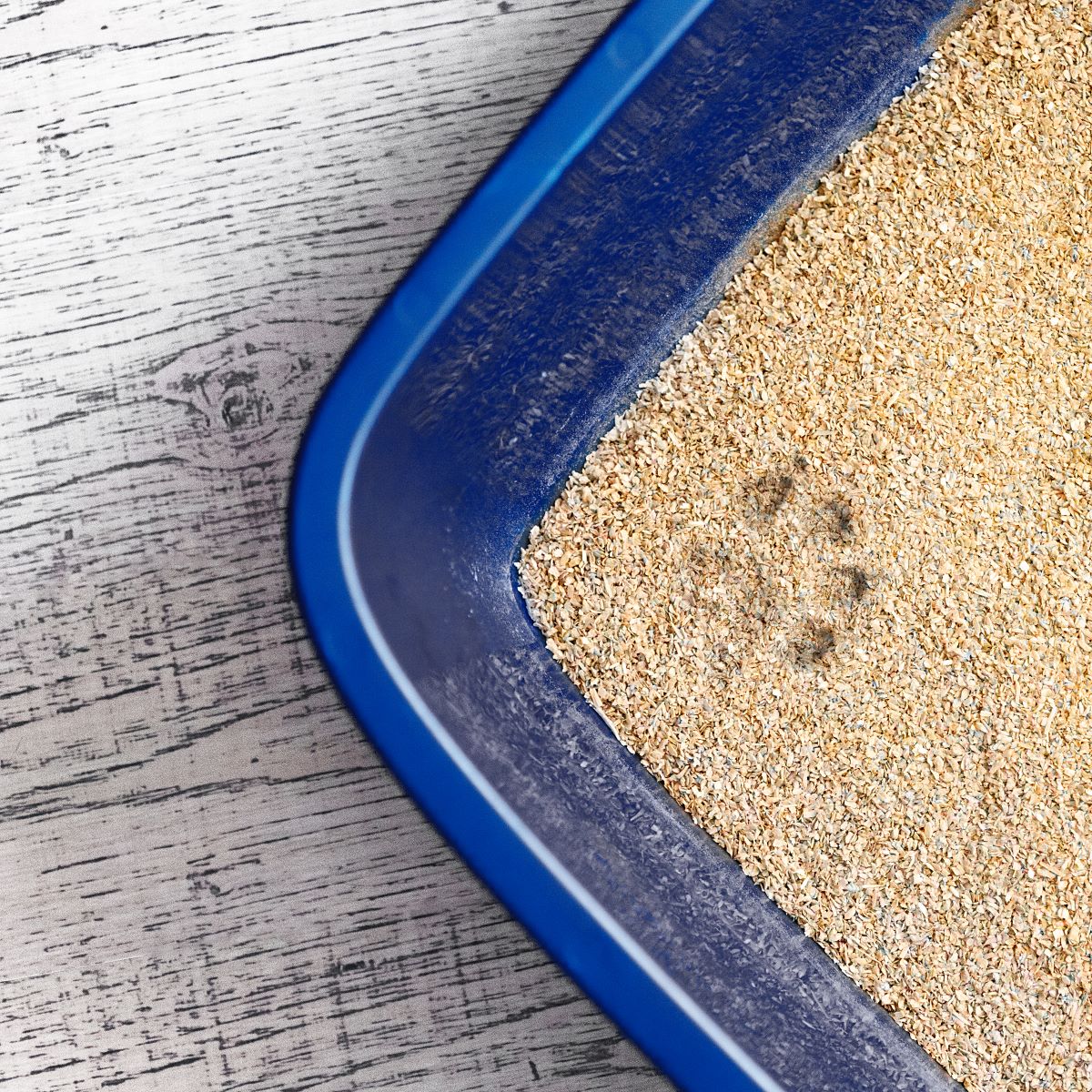
Natural Wood Cat Litter vs Clay & Silica: What's the Difference and Why Make the Switch Today
Read More

 email us