



Best Gifts for Small Animal Pets: Top Ideas for Hamsters, Rabbits & Guinea Pigs
Looking for the best gifts for your small animal pet? Whether you share your home with a hamster, rabbit, or guinea pig, choosing the right enrichment helps keep them happy, active, and healthy. This guide breaks down the top enrichment ideas, accessories, toys, and treats—all optimized to help you find exactly what you need for each species.
Why Enrichment Gifts Matter for Small Animals
Small pets may be tiny, but their instincts are big. The right gifts can help with:
Mental stimulation
Natural foraging and chewing behaviors
Physical exercise
Reducing boredom and stress
Giving your pet a new toy or accessory is more than cute—it improves their overall well-being.
Best Gifts for Hamsters
1. Interactive Foraging Toys
Hamsters love to search for food. Foraging toys encourage natural burrowing and sniffing instincts.
2. Sand Baths
A sand bath gift keeps their coat clean and supports healthy grooming habits.
3. Multi-Level Hideouts & Tunnels
Wooden hideouts, cork logs, and bendable tunnels offer endless exploring opportunities.
4. Chew Toys (Safe Woods Only)
Ideal materials: applewood, aspen, and birch. Chews help file down teeth and prevent boredom.
5. Exercise Wheels (Correct Size)
Make sure the wheel is large enough to prevent back arching. A 10–12 inch wheel is best for Syrian hamsters.
Best Gifts for Rabbits
1. Rabbit-Safe Chew Toys
Rabbits need constant chewing to keep teeth healthy. Look for toys made of hay, willow, seagrass, or untreated wood.
2. Hideaway Houses & Tunnels
Perfect for naturally shy rabbits who need spaces to rest and feel secure.
3. Forage Mats & Treat Balls
These encourage slow feeding and reduce boredom—great daily enrichment.
4. Snuggle Beds & Soft Mats
Bunnies love cozy spaces. Fleece or woven grass mats add comfort and warmth.
5. Large Playpens or Indoor Exercise Pens
Gives rabbits safe space to hop, zoom, and stretch—especially important for indoor rabbits.
Best Gifts for Guinea Pigs
1. Cozy Hideouts (Fleece or Grass)
Guinea pigs rely on hiding spots to feel safe. Tunnel beds and snuggle sacks make great gifts.
2. Chew Toys for Dental Health
Timothy hay twists, wooden blocks, and loofah chews are all safe options.
3. Foraging Toys & Treat Puzzles
Ideal for mental enrichment and controlled treat-giving.
4. Large Play Mats & Fleece Liners
Soft flooring keeps their feet comfortable and encourages more movement.
5. Veggie-Themed Treats (Healthy, Limited)
Choose natural treats made from dried vegetables or vitamin C-fortified options.
Best Universal Gifts for Any Small Animal
These gifts work for hamsters, rabbits, guinea pigs, and other small pets:
Timothy hay-based treats
Snuffle mats
Small pet tunnels
Chew sticks or natural wooden toys
DIY cardboard enrichment toys
Hiding huts
Foraging boxes filled with hay and pellets
These items support natural behaviors and help keep pets active and engaged.
How to Choose the Right Gift
When selecting a gift, consider:
Species-specific needs (hamsters burrow; rabbits chew more aggressively; guinea pigs need room to run)
Size of the toy or accessory
Safe materials (avoid painted, scented, or treated wood)
Your pet’s activity level and personality
Always supervise new toys and replace them when worn.
🧠 Notes & Tips for Pet Owners
Chew toys and tunnels are especially beneficial for dental health, because small animals’ teeth grow continuously.
Exercise wheels and tunnels help prevent boredom and keep pets physically active — important if they spend most time in a cage.
Foraging toys like treat puzzles encourage natural behaviors and mental stimulation, which improves well-being.
Always choose pet-safe materials (untreated wood, natural hay, safe plastics) to avoid toxic chemicals or choking hazards.
Final Thoughts: Small Gifts, Big Happiness
Whether you’re shopping for the holidays, a pet’s birthday, or just because, the best gifts for small pets are ones that improve their daily comfort, enrichment, and natural behaviors. With the right choice, your hamster, rabbit, or guinea pig will enjoy a happier, healthier, more engaging life.
Read More6 Hidden Signals Your Pet’s Health May Be Changing
What to Watch for at Home
If you’ve ever looked at your cat or dog and thought, “I know something is off, but I can’t quite say what,” you’re not alone. Pets are masters of subtlety. They don’t cough dramatically or tell you their back hurts. They shift their routines in tiny ways. Maybe your dog sleeps a little less. Maybe your cat pauses before jumping up to their usual perch. It’s quiet, and easy to miss, until it isn’t.That’s one reason so many pet parents are starting to lean on modern wellness tools like a pet smart collar by Maven Pet to keep an eye on patterns we’d never catch ourselves. Devices like Maven Pet’s dog health tracker and cat health tracker don’t replace your instincts. They simply pay attention to the tiny things your pet can’t explain, so you’re not left guessing.Below are six small-but-mighty signals that often show up before symptoms do. If you recognize any of these, it’s not about panicking. It is about paying attention.1. Sleep changes that look minor but aren’tBoth cats and dogs rely on consistent sleep for recovery and emotional regulation. A restless night here and there happens. What matters is a pattern.If your dog is suddenly pacing more at night or your cat keeps shifting spots instead of settling, it can be an early sign of discomfort, stress, or underlying pain. Modern trackers can show you exactly how often your pet woke up or how fragmented their sleep has become, which makes it easier to bring real information to your vet instead of vague worry.2. A tiny drop in activity levelsMost pets don’t suddenly stop moving. They slowly adjust. A shorter walk. A slower trot to the kitchen. A cat who no longer sprints for zoomies at 10 p.m.Changes in activity are often associated with everything from early joint discomfort to mood shifts. What matters is the trend. If activity dips across several days, especially paired with more rest or unusual quiet, it can be the first clue that something deeper is happening.3. Breathing that feels “a little different”You can’t observe every sleeping breath your pet takes, but respiratory patterns are one of the earliest indicators of stress, inflammation, and cardiac issues.If your dog is breathing heavier while resting or your cat’s breaths seem faster during naps, that deserves attention. Devices like Maven measure resting respiratory rate in the background and highlight when the numbers drift from your pet’s personal normal. This matters because many serious conditions show up first as subtle respiratory changes long before visible symptoms arrive.4. Itching that comes and goesA couple of scratches are normal. A week of increased itching is worth noting. Dogs with skin allergies often have daily variations that pet parents miss. Cats, who are naturally fastidious, can hide irritation entirely unless you watch the patterns. If your pet is grooming more or seems to be scratching at odd hours, that can point to allergies, discomfort, environmental triggers, or even stress. Trackers that detect itch frequency help you understand if something is becoming a routine rather than a one-off.5. Drinking more or less than usualHydration changes can be surprisingly easy to overlook, especially in multi-pet households.Dogs who start drinking more may be dealing with anything from warm weather to the early signs of diabetes or kidney issues. Cats who drink noticeably less may be stressed or under the weather. What matters is deviation. If your pet’s drinking pattern shifts for several days in a row, it’s worth keeping an eye on.6. Mood and behavior that feel slightly offCats hiding more often. Dogs seeming clingier. A suddenly quiet pet. A suddenly restless one.Behavior is communication. When your pet’s personality shifts even a little, it can be tied to physical or emotional changes. Small fluctuations in sleep, activity, or scratch behavior often correlate with stress, discomfort, anxiety, or environmental changes.Why these small signals matterMost health issues in pets do not start with dramatic symptoms. They start with tiny shifts. Your dog sleeps a bit less. Your cat jumps a little slower. Your pet drinks a bit more water than usual.What health trackers like Maven help with is recognizing the pattern. They learn your pet’s personal baseline and highlight when something drifts from that normal. It’s not about scaring you. It’s about helping you catch things early, so your vet gets clearer information, and your pet gets care sooner.How modern tech supports natural careHealthy Pet readers tend to care deeply about routines, diet, bedding, and the overall environment their animals live in. A health tracker slots naturally into that mindset.It doesn’t replace hands-on care. It strengthens it.It connects the dots you already notice and fills in the gaps you can’t see nighttime rest, breathing changes during naps, shifts in energy, or patterns in itching. Pet parents often say it helps them understand their pets better because it reveals the quiet half of the story.The bottom lineYour cat or dog is always communicating. The signals are just small. Paying attention to those early shifts is one of the kindest things you can do for them. With the right tools, it becomes easier to see those changes clearly, stay ahead of problems, and give your pet a life that feels safe, comfortable, and understood.If you want to bring a little more clarity to your pet’s daily health, exploring a wellness tool like Maven is a simple place to start.
Read MoreSetting Up a Cat-Friendly Living Space Without Remodeling Your Home
A cat looks at a room in a way we usually miss. While we glance around and see couches, tables, and whatever we tossed onto a chair last night, a cat sees pathways, lookout points, safe spots, and ambush points. They scan for height, warmth, and escape routes. They pay attention to corners. They track every sound long before they sit down.
Once you understand this, it becomes easier to shape things in small ways that make the place feel calmer for them.
Little Adjustments That Change Everything
You do not need to rearrange your whole home. Just smooth the edges of daily life.
Start with walking paths. Cats prefer clear routes from one room to another. If you have clutter in the main path, move it. They relax when the space does not force them to squeeze through gaps or bump into unstable objects.
Keep essentials in steady places. Food and water bowls. Litter boxes. Cats like knowing where these things are. Moving them around creates little shocks in their routine.
Add small patches of softness. A blanket on a table. A cushion in a quiet corner. A throw on the couch. Cats wander between warm spots like travelers moving through a familiar landscape. These soft islands make them feel at home.
Rugs matter more than we think. They add traction and warm the floor. They also guide your cat toward certain parts of a room without you having to say anything. A rug near a window, for example, invites a cat to settle there.
Vertical Space on a Budget
Cats love height. It gives them a sense of control. They can see the room, observe the flow of movement, and withdraw from the ground level without leaving the scene.
Most homes already have vertical potential. A dresser. A bookshelf. A piano or a wide shelf. These surfaces can be transformed into resting points by adding a small blanket or mat. If a surface feels slippery, your cat may avoid it, so giving it texture helps.
Older cats or cats with mobility problems might need help reaching high places. A couple of sturdy cubes or stools arranged in a gentle slope can turn a challenging climb into an easy stroll. You do not need to install anything. You just give them a way up.
Bringing Your Cat into the Home’s Personality
This is where decor plays a role. A subtle role, but still important. A home that acknowledges the presence of a cat feels warmer. It feels shared.
Art is a simple way to express that. Pet-themed pieces do the job without asking you to rearrange the whole room. They signal that the cat is not just passing through your life. They are part of the household.
Personalized cat portraits add another layer. They sit nicely on shelves or walls and blend into the room without overwhelming it. They can be playful or serious depending on what you choose.
They turn your cat into a small piece of the home’s story and make people smile when they walk in.
Small Zones with Clear Purposes
Cats thrive when their environment gives them choices. Not endless choices. Just meaningful ones.
A window zone is easy. Move a chair close to a good window and put a blanket on it. Suddenly you have created a viewing deck for bird watching or sun soaking.
A play zone can be a rug and a basket of toys. Nothing elaborate. A place where things can roll, slide, or get pounced on without knocking over a lamp.
A quiet zone is a covered bed in a corner with low foot traffic. Cats need escape places. Not because they are scared all the time. Because they like having privacy on demand.
When each little zone has a purpose, your cat moves through the day with more comfort. They know where to go for energy, where to go for rest, and where to go for a good view of the world.
Helping Natural Behaviors Along
Scratching is not a problem. It is a need. Scent marking is not misbehavior, it is communication. Climbing, stretching, rubbing, chewing. All natural.
Support these instincts with easy add-ons. Cardboard scratchers are light and cheap. Vertical posts fit in small corners. Door mounted scratchers work when you do not have much floor space. Give your cat a few preferred items and keep them where your cat already tends to linger.
Soft objects keep your cat’s scent, so let them keep their favorite blankets or toys. They help the cat settle. Safe plants like cat grass offer something fresh and interesting.
These small supports help avoid destructive habits that appear when a cat feels bored, trapped, or restless.
Quiet Safety Measures
A safe home keeps your cat calm. Cords should be tied or tucked away. Wobbly furniture should be stabilized. Plants should be checked for toxicity. Cleaning products should be stored where curious paws cannot reach them.
Windows need secure screens. Even confident cats make mistakes when a bird flies too close to the glass. Simple habits protect your cat from trouble you never meant to place in their path.
Final Words
You can feel when your home starts to sync with your cat. Their steps get lighter. They choose new resting spots. They stop pacing in certain areas and begin to settle into others. They appear in places you have never seen before.
They start to trust the environment. They move with confidence instead of caution. The house itself becomes part of their routine, and you get a sense of comfort watching them enjoy it.
What surprises most people is how little effort it takes. You did not put up shelves or rebuild walls. You just paid attention, made thoughtful choices, and let small improvements add up. Those small steps shape a space that works for both of you.
Your home becomes a place where a cat can rest, explore, and live fully. And you get a space that feels more open, more intentional, and somehow more alive.
Read MoreDog Park Rules Every Owner Should Follow
Dog parks look easy. A fence, a gate, a few dogs tumbling around like kids who missed recess for a month. You show up and think you know what you’re getting into. Then you walk in a few times and realize there is a whole hidden rhythm underneath everything. A kind of quiet current that decides whether the place feels peaceful or tense.
You start to see pretty fast that a good dog park experience is less about rules pinned to a fence and more about people paying attention. The place needs a bit of human awareness to stay steady.
Start With Your Own Dog Before You Even Touch the Gate
A surprising number of people walk straight in without a second thought. They don’t check their dog’s mood. They don’t think about how their dog usually behaves with strangers or in busy spaces. They just hope for the best. It works sometimes, but when it doesn’t, it goes sideways fast.
Take a moment before you enter. Really think about your dog. Some dogs barrel into a crowd like they’ve been training for it all week. Others freeze. Some puff up and act like they need to manage the whole group. Some dogs start happy, then suddenly lose their patience when things get too loud or too fast.
None of this makes a dog good or bad. It just means you should know how they handle pressure. Puppies often do better during quieter hours when the park isn’t packed. Senior dogs might prefer slow laps and a bit of space. Even the most social dogs can wake up one morning and decide they’re not interested in wrestling with a stranger’s Labrador.
If you read your dog honestly, you avoid a lot of trouble. You also protect them from situations they’re not ready to handle. A lot of people don’t realize how common dog-related injuries are. Every year in the US, an estimated 4.5 million people get bitten by dogs, and about 800,000 of them end up needing medical care.
Those numbers aren’t meant to scare anyone, but they do make a simple point. Knowing your dog’s limits and being honest about how they handle busy spaces matters more than people think.
Take Ten Seconds to Study the Park
Before you join the crowd, pause. Let your dog sniff around while you take in the scene inside. You can learn so much from a quick look.
Sometimes the park holds a calm group. Dogs greet each other, then move on. People stand close enough to intervene if they need to. You can feel that everything is balanced.
Other times you see a cluster of dogs piling on each other while owners stand in a far corner. You see a dog guarding the water bowl. Or a dog pacing the fence because the energy is too high. Those are signs you might want to hold off for a bit or come back later.
Look for posted rules. Some parks separate small dogs and large dogs, and there’s usually a reason. Your dog’s weight might not matter as much as their play style. Some large dogs move gently and belong with smaller groups. Some small dogs fly around like rockets and belong with the big runners.
This quick scan is like reading the weather. If the clouds look heavy, you bring a jacket. If the park looks chaotic, you wait.
Handle Scuffles Without Making It Worse
No dog is perfect. Even the calm ones have off moments. A scuffle can happen out of nowhere. A burst of sound. A flash of movement. Then it ends almost instantly.
Your reaction is what matters. Staying calm keeps things from escalating. Never stick your hands between dogs. That is how people get bitten even when nobody means harm.
Instead, use your voice. Clap. Make a quick sound. Throw a handful of treats on the ground if you have them. That little distraction can pull dogs apart long enough to reset the moment. If you need separation, use an object like a bag or a jacket to create space rather than your arms.
Once the dogs break apart, give them a breather. They need a moment to settle back into themselves.
And here’s a piece people rarely talk about openly. Injuries happen at dog parks. Sometimes a person gets knocked over during a chase. Sometimes someone tries to grab a collar and ends up with a bite. In some cases, these moments turn into personal injury cases, and that’s when people start talking to a personal injury lawyer to figure out what steps come next. You hope you never need that kind of help, but it becomes part of the conversation when things get serious.
Medical bills from dog-related injuries can be surprising. In recent years, the average cost of a single dog bite liability claim in the U.S. has floated above $50,000, which explains why some people end up asking legal questions after what looked like a simple scuffle. Most owners walk away with nothing more than a shaky heartbeat, but the financial stakes can get high fast.
If your dog seems tense or shaken after a scuffle, call it a day. Home is a better place to reset.
Stay Present. Really Present.
This might be the heart of the whole thing. If you’re at the dog park, be at the dog park. Not halfway in your phone. Not halfway in a conversation you aren’t really listening to. Dogs communicate long before they react. You can see it if you’re watching. There are warnings. Quiet ones. The kind you pick up only when you’re paying attention.
And if you catch those signals early, you can redirect your dog. Call them over. Move to another corner. Break up the energy. You don’t need to be a trainer to do this. You just need to be aware.
A dog park with attentive owners feels smoother. More relaxed. Problems stay small because someone always steps in at the right moment.
Learn Your Dog’s Signals and Respect Others
Dogs get tired and overstimulated just like people. They just show it differently. Some dogs stick to your leg. Some start pacing. Some get bossy with dogs they were fine with an hour earlier. Some go quiet in a way that feels heavy.
These are signs your dog is done. Staying longer rarely helps. Leaving early protects them from making mistakes that come from fatigue or frustration. A smooth exit is better than forcing one more lap.
Every dog has its own pace. Some want a big chase. Some want gentle sniffing. Some want to explore without being climbed on. Give dogs space to choose their interactions.
If someone calls their dog away from yours, honor that. Move and give room. Don’t take it personally. If another owner asks for space, that’s your cue to shift. When owners communicate calmly, the park feels safer.
Those moments make the park feel like a community rather than a free-for-all.
The Bottom Line
People go to dog parks for joy. Dogs get to run. They get to taste a kind of freedom that doesn’t fit into a backyard or a quick walk around the block. They meet other dogs, and those interactions shape them over time.
For all of that to work, owners have to stay aware. When they do, the park becomes a place that feels easy, even peaceful. The kind of place your dog recognizes long before you pull into the parking lot.
Dog parks work when the people inside care about the experience as much as the dogs do. When that happens, the whole place feels warm and welcome. The kind of small community you want to come back to again and again.
Read MoreHow to Find an Experienced Ferret Vet Near You
Finding an experienced ferret vet near you is essential for your furry friend’s health and happiness. You need someone who understands ferrets’ unique medical needs and has the skills to provide specialized care. It’s not just about proximity; it’s about expertise and trust. There are many factors to ponder, from credentials to communication style. To safeguard your ferret receives the best care possible, you’ll want to explore some effective strategies for locating the perfect vet.
Understanding the Importance of Specialized Ferret Care
When it comes to the health of your ferret, understanding the importance of specialized care can’t be overstated. Ferrets are unique creatures with distinct needs that differ from other pets. Providing them with a specialized diet is vital, as their high metabolism requires nutrient-rich, protein-heavy foods. This guarantees they maintain their energy levels and overall well-being. Additionally, proper grooming techniques are essential to keeping your ferret healthy and comfortable. Regular grooming helps prevent fur matting and reduces the risk of hairballs, which can lead to serious health issues. By focusing on these specialized care aspects, you’re not just meeting your ferret’s basic needs, but also enhancing their quality of life, ensuring a happier, healthier companion by your side.
Identifying Key Qualities in a Ferret Vet
When selecting a ferret vet, you’ll want to guarantee they possess specialized knowledge about ferrets, as these unique creatures require distinct care compared to other pets. It’s also indispensable that your vet offers emergency care services, so you’re prepared for any urgent health issues that may arise. Additionally, effective communication and empathy are key, as they help build trust and guarantee your concerns are understood and addressed.
Specialized Ferret Knowledge
Although it might seem like any vet could handle a ferret’s health needs, finding one with specialized knowledge is pivotal for your pet’s well-being. Consulting an experienced ferret vet in Sacramento ensures your furry friend receives expert attention tailored to their unique nutritional and medical requirements. Ferrets have specific dietary needs, and an expert can guide you in selecting appropriate food options.
Moreover, grooming techniques are another essential aspect of ferret care. Ferrets require regular grooming to maintain their coat health and hygiene. A knowledgeable vet can teach you the best practices for grooming, from ear cleaning to nail trimming. Prioritizing a vet with ferret-specific expertise verifies your pet receives the best care possible, fostering a healthy, happy life.
Emergency Care Availability
While specialized knowledge in ferret care is essential, having a vet with emergency care availability is equally important for your pet’s well-being. Ferrets can face sudden health issues, so you need a vet who offers prompt availability during crises. Look for clinics that provide 24/7 access or have arrangements with nearby emergency facilities. This guarantees your ferret receives immediate attention when it matters most.
Additionally, established emergency protocols are pivotal. A vet with these protocols can quickly assess and treat your ferret, minimizing stress for both you and your pet. They should be experienced in handling ferret-specific emergencies, confirming the best possible outcomes. Choosing a vet with these qualities provides peace of mind, knowing your ferret is in capable hands during urgent situations.
Communication and Empathy
In selecting a ferret vet, effective communication and genuine empathy are indispensable qualities to ponder. You want a vet who excels in compassionate communication to guarantee you understand your ferret’s health needs clearly. It’s not just about relaying medical facts; it’s about listening to your concerns and acknowledging the emotional bond with your pet. This empathetic understanding fosters trust and confidence in the care provided. Consider these aspects:
Active Listening: Does the vet truly listen to your questions and concerns?
Clear Explanations: Are complex medical terms broken down into understandable language?
Emotional Support: Does the vet offer comfort and reassurance during stressful times?
Choosing a vet with these qualities guarantees your ferret receives the best possible care.
Utilizing Online Resources for Vet Research
How can experienced ferret vets stay current with the ever-evolving field of veterinary medicine? By effectively utilizing online resources, they can enhance their expertise and guarantee your ferret receives the best care possible. Start by employing online search strategies to identify vets who specialize in ferret care. Websites like VetFinder and the American Ferret Association provide directories of qualified professionals.
For thorough vet research, explore reviews and ratings on platforms such as Google and Yelp. Look for vets who actively engage in continuing education through webinars and online courses. This reveals their dedication to staying informed about the latest advancements in exotic pet care. By utilizing these resources, you’ll be well-equipped to find a vet who’s both knowledgeable and passionate about caring for ferrets.
Seeking Recommendations From Ferret Communities
When it comes to selecting a vet for your ferret, seeking recommendations from ferret communities can be invaluable. These groups provide firsthand insights from fellow ferret owners who have navigated similar journeys. Immerse yourself in ferret community forums and social media groups to connect with experienced ferret enthusiasts who can guide you to reputable vets. By engaging with these communities, you can access:
Personal testimonials: Real-life experiences from ferret owners about specific vets.
Local insights: Recommendations tailored to your area, ensuring convenience.
Trustworthy connections: Building a network with people who genuinely care about ferret welfare.
Approaching these communities with empathy and curiosity can help you find a vet who understands the unique needs of your ferret, ensuring they’re in capable hands.
Evaluating Vet Credentials and Experience
Why do vet credentials and experience matter so much when choosing the right care for your ferret? Ferrets have unique health needs, and a vet’s credentials assure you they’re equipped to meet those needs. Look for vets who’ve pursued continuous education in exotic animal care. This shows they’re committed to staying updated on the latest treatments and techniques. Experience matters too. A vet with several years of ferret-specific practice will likely have encountered a range of health issues, providing them with the insight to handle complex cases. Additionally, effective client communication is essential. A vet who listens and explains treatments clearly guarantees you’re part of your ferret’s care journey, building trust and understanding between you and your vet.
Preparing Questions for Your Vet Consultation
When preparing for your ferret’s vet consultation, it’s important to have a clear set of questions ready to address essential health concerns and ferret-specific care needs. Consider asking about common health issues, dietary requirements, and preventative measures to guarantee your furry friend stays healthy. Don’t forget to inquire about emergency procedures so you’re ready if an urgent situation arises.
Essential Health Concerns
As a devoted ferret owner, it is crucial to be well-prepared for your vet consultations to guarantee your furry friend’s health is in ideal condition. Understanding common health problems and chronic conditions affecting ferrets can help you ask the right questions. To make the most of your vet visit, consider preparing questions about:
Common health problems: Ask about signs of adrenal disease, insulinoma, and gastrointestinal issues, which are prevalent in ferrets.
Chronic conditions: Discuss long-term management strategies for any diagnosed conditions, ensuring your ferret’s comfort and longevity.
Preventative care: Inquire about vaccinations, dental care, and dietary recommendations tailored to ferret-specific needs.
Ferret-Specific Care Needs
Maneuvering the unique care needs of ferrets can feel overwhelming, but being proactive in your approach will make a significant difference in your pet’s well-being. When preparing questions for your vet consultation, focus on ferrets’ proper diet requirements. Ferrets are obligate carnivores, needing high-protein, low-carb diets. Ask your vet about the best food options and how to guarantee your ferret’s nutritional needs are met.
Additionally, ferrets have unique behavior traits, such as their playful and curious nature. Discuss any unusual behaviors you’ve noticed, so your vet can guide managing these traits effectively. Understanding your ferret’s social needs can prevent behavioral issues. By addressing these aspects, you’ll safeguard your ferret gets the care it deserves, fostering a healthier, happier life.
Emergency Procedures Inquiry
Have you ever wondered what to do if your ferret faces an emergency? It’s vital to ask your vet about emergency procedures during your consultation. Knowing what to do can make all the difference. Consider asking these key questions:
After hours access: Does the clinic offer services outside regular hours, or do they partner with an emergency facility?
Emergency transport options: Are there recommended services or guidelines for safely transporting your ferret in an emergency?
Immediate care protocols: What steps should you take at home while arranging transport to the clinic?
Comprehending these aspects guarantees you’re prepared and can act swiftly in a crisis. Remember, your ferret’s health is paramount, and learning these procedures can provide peace of mind.
Scheduling a Preliminary Visit to Assess the Clinic
Why is it important to schedule a preliminary visit to the clinic before choosing a ferret vet? This vital step guarantees you’re selecting the right professional to care for your ferret’s unique needs. Start by observing communication during your initial interactions—are the staff friendly, knowledgeable, and attentive to your inquiries? Evaluate your appointment experience by considering the clinic’s environment. Is it clean, well-organized, and equipped with ferret-specific resources?
During your visit, take note of how quickly and efficiently the clinic operates. Are appointments running on time, and is the staff respectful of your schedule? These factors contribute tremendously to your confidence in their ability to provide consistent, quality care. Trust your instincts, and confirm the clinic aligns with your expectations for your ferret’s health and well-being.
Observing the Vet’s Interaction With Your Ferret
When observing the vet’s interaction with your ferret, pay close attention to their handling skills, as gentle and confident handling is vital for your pet’s well-being. Notice how your ferret reacts; a calm and relaxed demeanor is a good indicator of the vet’s expertise. It’s important that you feel assured in the care your ferret is receiving, ensuring a positive experience for both of you.
Assess Vet’s Handling Skills
Observing how your vet handles your ferret is crucial for evaluating their expertise and ensuring your pet’s well-being. Pay close attention to how the vet’s body language affects your ferret’s cooperation. A skilled vet will approach your ferret calmly, using gentle movements to gain trust. Look for these signs:
Gentle Handling: The vet should use a calm, steady touch. Ferrets are sensitive and can easily become stressed with rough handling.
Confidence and Control: Experienced vets display confidence, maintaining control without force, helping your ferret feel secure.
Communication Skills: A good vet talks softly to your ferret, easing anxiety and encouraging cooperation.
These observations can help you determine if you’ve found a vet who truly understands and cares for your ferret.
Note Ferret’s Comfort Level
How can you gauge your ferret’s comfort level during a vet visit? Start by observing your ferret’s behavior as it interacts with the vet. An experienced vet will approach your ferret with a calm demeanor, minimizing your ferret’s stress level. Notice if your ferret appears relaxed or if it exhibits signs of distress such as excessive squirming or vocalizing. A ferret that’s comfortable will often be curious, exploring its surroundings and showing interest in the vet’s actions.
Watch how the vet handles your ferret. Gentle, confident handling helps reduce anxiety, whereas abrupt or rough handling can elevate your ferret’s stress level. Trust your instincts; you know your ferret best. If something feels off, it’s okay to discuss your concerns with the vet.
Considering the Clinic’s Facilities and Equipment
As you evaluate a clinic for your ferret’s care, the quality of its facilities and equipment plays an essential role in ensuring high-standard veterinary services. Start by considering the clinic’s sanitation protocols; a clean environment reduces infection risks and promotes quicker recovery. Next, evaluate the staff’s ferret handling experience. Qualified staff who are well-versed in ferret behavior ensure your pet receives the best care possible.
Check for specialized equipment: Appropriate tools for ferret-specific procedures enhance diagnostic accuracy.
Assess the cleanliness: Look for spotless waiting and examination rooms, which indicate strong hygiene practices.
Inquire about staff training: Experienced professionals should be capable of handling ferrets safely and compassionately.
These aspects ensure your ferret receives excellent care.
Reviewing Follow-Up Care and Emergency Services
Beyond the clinic’s facilities and equipment, another essential aspect of your ferret’s care involves understanding the follow-up and emergency services offered. It’s pivotal to know how the vet handles post-treatment follow up recommendations. A thorough vet will provide clear guidelines to guarantee your ferret’s speedy recovery and continued health. Ask about their system for scheduling follow-up appointments and how they track your pet’s progress. Additionally, having access to reliable emergency contact information is indispensable. Confirm the clinic offers 24/7 emergency services or has arrangements with an after-hours facility. This certifies that you can act swiftly should an urgent situation arise. Trust in a vet who prioritizes continuous care and is prepared for emergencies, offering you peace of mind.
Read MoreFilter - Key Words
- bedding
- beding
- biodegradable
- Bunny
- carefresh
- cat health
- cats
- CritterCare
- diet
- dog
- donation
- ferret
- food
- Guinea Pig
- habitat
- hamster
- health
- Healthy Pet
- kitten
- Leadership
- litter
- multi
- okocat
- ökocat®
- paper bedding
- pet love
- pets
- puppy
- Rabbit
- safety
- small animal
- small pet
- sustainable
- tracking
- Vet
- Veterinarian

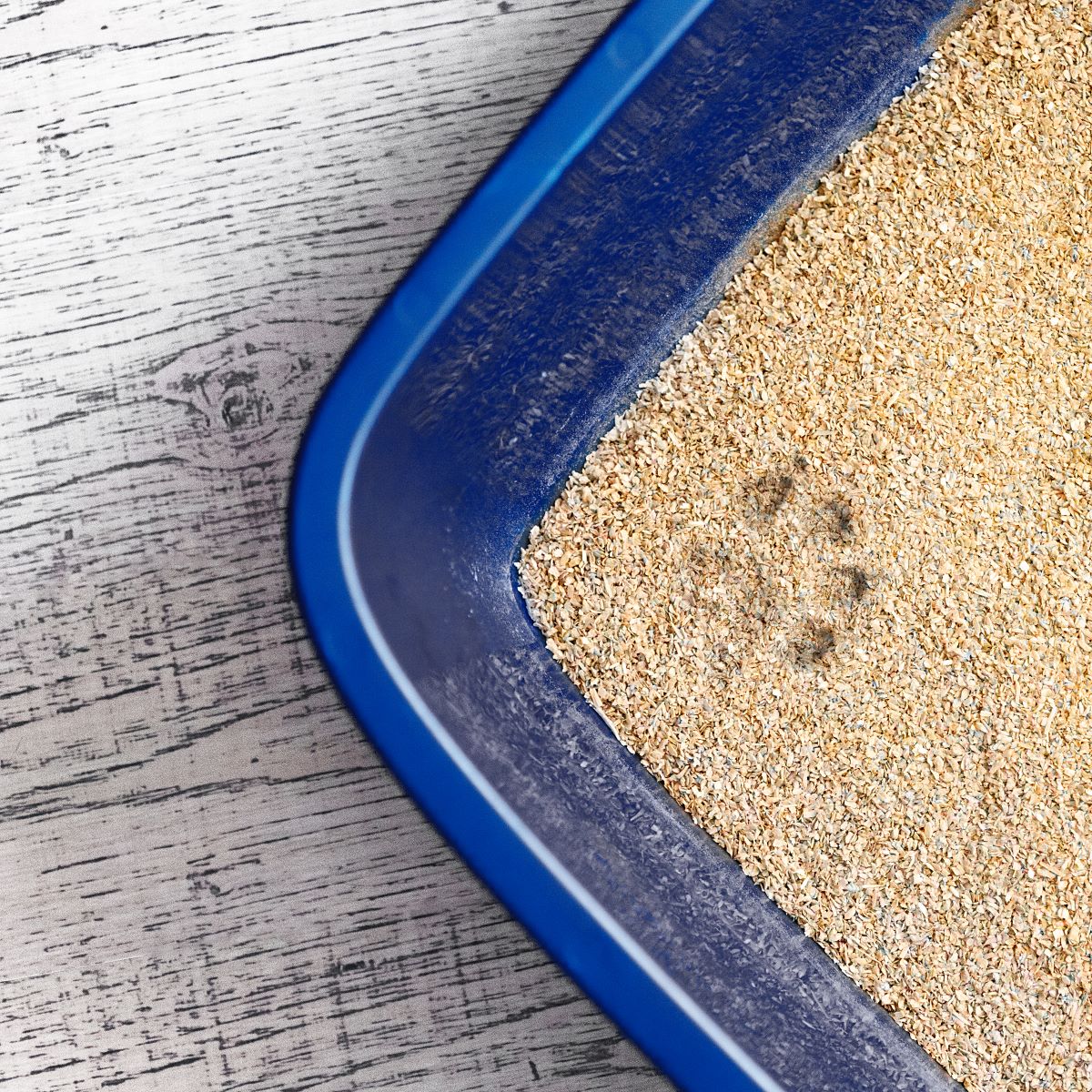
Natural Wood Cat Litter vs Clay & Silica: What's the Difference and Why Make the Switch Today
Read More

 email us