



Why Climate Matters: How Hot Weather Affects Your Pet’s Health
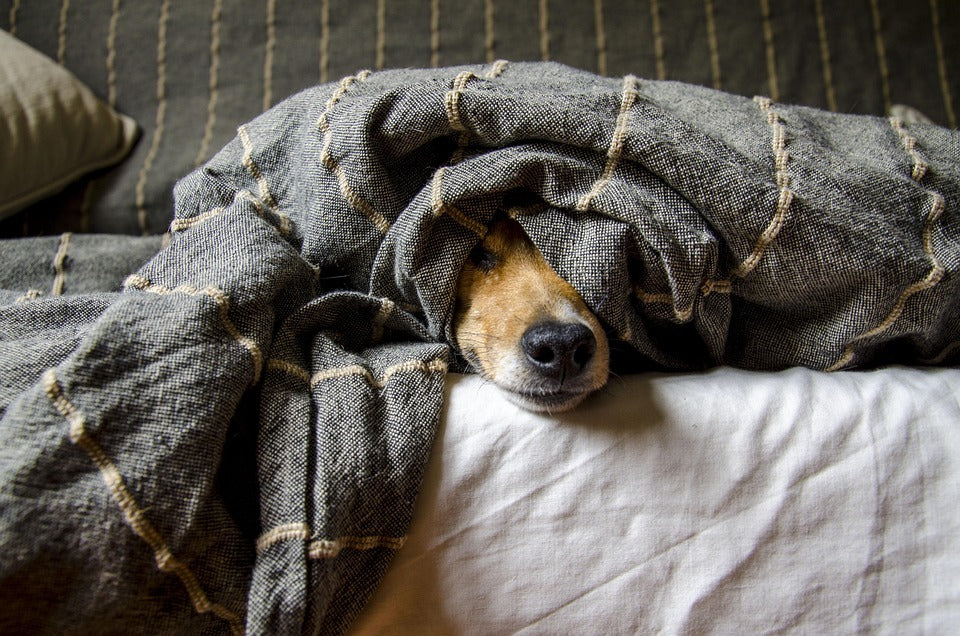
Image by falellorente from Pixabay
Hot weather affects pets in many ways that owners often overlook. Many animals struggle to regulate their body temperature. This can lead to serious conditions if owners do not notice early signs. Understanding how heat impacts pets helps prevent emergencies and supports long, healthy lives. This post details understanding how pets regulate body temperature, the early signs of heat stress in pets, and more.
Understanding How Pets Regulate Body Temperature
Pets regulate heat differently from humans. Dogs cool themselves by panting. Cats groom their fur to release heat through evaporation. Neither method works well when temperatures rise. High humidity also reduces cooling efficiency. Pets can overheat even if the temperature does not seem extreme. This is especially true for long-haired breeds or short-nosed breeds. Learning how each species cools down helps owners protect them during hot weather.
The Early Signs of Heat Stress in Pets
Heat stress develops gradually. Early signs can be subtle. Heavy panting is usually the first symptom. Pets may also drool more than usual. Restlessness is common as they search for cooler areas. If the owner ignores these signs, heat stress can progress quickly. Pets may vomit or seem disoriented. Weakness and collapse can occur in severe cases. Immediate action is critical when symptoms appear.
Why Some Pets Are at Higher Risk Than Others
Some pets face higher risks in hot climates. Senior pets have weaker temperature regulation. Puppies and kittens are also vulnerable due to their small size. Certain breeds struggle more than others.
Flat-faced breeds include Bulldogs, Pugs, and Persians. They cannot breathe as efficiently, making heat dangerous for them. Pets with thick coats or extra weight overheat faster as well. Owners must provide extra care for pets in these categories.
The Impact of Hot Pavements on Paw Health
Hot pavement is one of the most overlooked dangers. Asphalt can reach extreme temperatures when exposed to direct sunlight. Many pets burn their paws within seconds.
Owners should test pavements with the “five-second rule.” If it feels too hot for your hand, it is too hot for paws. Walks should take place early in the morning or later in the evening. Protective booties also help prevent burns.
Dehydration Risks in High Heat
Dehydration is common during hot weather. Pets lose moisture through panting and sweating through their paws. Signs of dehydration include dry gums, lethargy, and reduced appetite. Severe dehydration can damage organs and become life-threatening. Provide clean, cool water at all times. Offer wet food during heat waves to increase moisture intake. Electrolyte solutions approved by pet professionals can also help.
Protecting Outdoor Pets From Heat Exposure
Outdoor pets face constant heat hazards. Shade alone is not enough on extremely hot days. Shade structures can trap heat instead of releasing it. Pets must have access to cool water around the clock. Misting systems and fans help reduce heat. Elevated beds allow airflow under the body. Limit outdoor time when temperatures rise above safe levels. If possible, bring pets indoors during peak heat.
Hot Weather and Risk of Heartstroke
Heatstroke is the most serious heat-related condition. It happens when pets cannot cool down fast enough. This causes body temperature to rise dangerously high. Symptoms include collapse, seizures, vomiting, and difficulty breathing. Heatstroke requires urgent medical care.
If owners suspect heatstroke, they must cool the pet gradually. Use cool, not so cold water. Avoid ice, which can constrict blood vessels. Contacting a veterinarian in Phoenix is essential when symptoms appear.
Hydration Strategies for Heat-Sensitive Pets
Different pets may require customized hydration plans. Dogs that exercise often need extra water breaks. Cats may need multiple water stations around the home. Water fountains encourage drinking and help keep water cool. Freeze pet-safe treats to offer hydration in fun ways. Some owners add broth to water bowls for picky drinkers. Always use sodium-free broth to prevent health issues.
How to Create a Cool Home Environment
Indoor comfort matters during extreme weather. Use fans to improve airflow. Keep blinds closed to reduce indoor temperatures. Cooling mats help pets relax more easily during heat waves. These mats use gel or water to absorb body heat. Set up cooling areas on tile flooring. Avoid placing pet beds in direct sunlight. Provide several resting spots so pets can choose the coolest area.
Exercise Safety During Hot Weather
Exercise routines must change when temperatures rise. Avoid midday walks or intense play. Early mornings and late evenings are safer. Shorter sessions help prevent overheating. Bring portable water bottles for outdoor trips. Pet owners who enjoy hiking should check trail conditions. Some trails retain heat longer than others. Rest breaks are essential for heat-sensitive pets.
The Role of Grooming in Heat Management
Regular grooming supports temperature regulation. Removing loose hair allows better airflow. Avoid shaving certain breeds, especially double-coated dogs. Their coats protect them from heat and sunburn. Ask a pet grooming professional about proper trims for the breed. Grooming also helps identify skin issues caused by heat and humidity.
Hot Weather and Skin Problems in Pets
Heat often triggers skin issues. Moisture trapped under fur can cause irritation and hot spots. Allergies may also increase during hot seasons. Pets may chew, scratch, or lick their skin more frequently. Use hypoallergenic shampoos and keep fur clean. Consult a professional if symptoms worsen, as untreated skin problems can escalate quickly.
Keeping Senior Pets Safer in Summer
Senior pets need extra support in hot weather. Their temperature regulation slows with age. Short walks, plenty of water, and indoor living are essential. Cooling vests may help older dogs stay comfortable. Watch for mobility issues, as older pets struggle to move away from heat sources. Never leave senior pets outdoors during extreme conditions.
Travel Safely During Hot Weather
Traveling with pets requires added precautions. Vehicles heat up rapidly even with windows cracked. Never leave pets unattended in cars. Temperatures can rise to dangerous levels within minutes. Use sunshades, air conditioning, and cooling pads during long drives. Plan water breaks during the trip and avoid hot pavement at rest stops.
Endnote
Hot weather can create serious risks for pets, but owners can prevent problems with preparation and awareness. Understanding heat stress, hydration needs, and environmental dangers helps keep pets safe. With consistent care and smart choices, pets can stay comfortable during even the hottest months. Prevention and close attention are the best tools for protecting your pet’s health in warm climates.
Related Posts

How Your Student Schedule Impacts Pet Sleep and Health
Practical Ways to Make the Most of Space in Animal Facilities




 email us