



Enjoy Your Vacation and Keep Your Pet Safe With These Simple Tips
Photo source: https://pixabay.com/photos/dog-car-traveling-pet-driving-4929648/
Planning a vacation is often an exciting endeavor, filled with thoughts of relaxation and adventure. For pet owners, however, the joys of travel can sometimes be overshadowed by concerns about their furry companions. Ensuring your pet's safety and comfort during your time away is not just a matter of planning; it's a crucial part of the travel experience. Whether you choose to bring your pet along or leave them in capable hands, following some key tips can make all the difference in keeping your pet safe and stress-free while you enjoy your getaway. Making informed decisions regarding your pet's care will allow for a more enjoyable vacation experience.
Traveling with Your Pet: Preparation is Key
It’s important to start by acclimating your pet to the travel environment. For pets who are not used to being in a vehicle or on a plane, short practice trips can help ease them into the process, making longer journeys far less stressful for both of you. It's important to check your chosen mode of transport for any specific pet policies or requirements. Many airlines, for example, have distinct stipulations, including kennel sizes, health certificates, and fees. Knowing this information will help you avoid surprises on departure day. Some airlines offer Pet Friendly Jet Charters services that prioritize your pet's comfort and safety throughout their journey, so it may be worth exploring those options as well. If you decide to take your pet along on your vacation, it’s vital to prepare well in advance.
Temporary Homes: Choosing the Right Care
If traveling with your pet is not feasible due to destination or travel conditions, selecting the right temporary caregiver is crucial. Research local boarding facilities or pet sitters who come highly recommended by friends or online reviews. Many pet owners find that in-home care is often less stressful for pets since they remain in their familiar surroundings. Whichever route you choose, ensure that your pet has all necessary vaccinations and medical records readily available. This step ensures the facility or sitter is equipped to handle any potential emergencies. Ask the provider about their emergency protocols; it’s imperative that they know how to respond should any issues arise while you’re away.
Health and Safety Considerations
Regardless of your travel plan, your pet’s health and safety should always be top priorities. Ensure they are up-to-date on vaccinations and have received a health check-up before traveling. Many locations require proof of vaccinations. Not having these documents can result in your pet being denied boarding or, worse, quarantine upon arrival. Consider your pet’s dietary needs. Introduce any new food slowly to avoid digestive issues, and always carry enough of your pet’s regular food for the duration of your trip. Dogs and cats may become anxious or sick if exposed to unfamiliar foods. Remember to pack a travel kit with essentials like their favorite toys, water, and any medications they require to keep them comfortable during the trip. For pets that exhibit anxiety during travel or in unfamiliar situations, consider consulting your veterinarian about potential calming aids.
Creating a Comfortable Environment
Whether your pet is on vacation with you or at a temporary caregiver, creating a comfortable environment is vital. Familiarize your pet with their surroundings upon arrival, and set up a designated space with their belongings, including bed, toys, and blankets. This creates a sense of security for pups and felines alike. Be observant of any behavior that may indicate stress and address concerns promptly; this might involve extra walks or playtime, particularly if they seem restless. While you may be away seeking adventure, ensuring that your pet is comfortable and happy will lift any worries you may have and enhance your travel experience, allowing you to enjoy the moments that vacation brings.
Photo source: https://unsplash.com/photos/person-in-gray-jacket-holding-white-and-brown-long-coated-small-dog-XHmYp9KDn9c
As you embark on your travel plans, whether with your pet or planning for their care, remember that a little preparation and attention go a long way. Following these tips will help mitigate risks and enhance your vacation experiences for both you and your pet.
Read MoreTop 5 Warning Signs It’s Time to Switch to a Chew-Resistant Pet Bed
Cats and small pets interact with their surroundings in all sorts of ways, such as scratching, chewing, digging, or kneading their bedding. While light nibbling or clawing may seem harmless, repeated damage often points to a bigger issue. Torn fabric, shredded filling, and scattered stuffing can be frustrating and may even create safety risks. If you’re dealing with constant bed damage, it might be time to consider a more durable, pet-safe option.
Many cat and small pet owners are discovering that a chew proof dog bed can also work brilliantly for their furry companions. These beds combine comfort with strength, making them ideal for pets that scratch, bite, or dig. Upgrading to one can prevent injuries, reduce the need for frequent replacements, and provide a safe, stable sleeping space.
1. Bed Lasts Only a Few Weeks
If your pet bed starts to break down within days or weeks, it’s more than just an inconvenience. Constantly replacing it adds expense and stress, and your pet never gets a dependable place to rest. Many standard beds use flimsy materials that can’t stand up to sharp claws, small teeth, or persistent digging. Cats and small pets sometimes scratch or chew out of habit or play. If the bed gives in easily, it may even encourage more destructive behavior. A sturdier bed helps break that cycle.
2. Loose Filling Found Around the House
Finding bits of stuffing or foam on the floor signals that the bed has been damaged. This is not just messy; it can be risky. Swallowed material may lead to digestive issues or even require veterinary care. Damage like this often happens when the bed has weak seams or poorly secured fabric. The result is a safety hazard for the pet and a constant cleaning job for the owner. A stronger bed helps prevent both problems.
3. Bed Damaged When Left Unsupervised
Some cats and small pets behave well when you’re around, but chew, scratch, or dig at their bed when left alone. This can be a sign of boredom, stress, or excess energy. Lightly built beds are most at risk during these quiet hours. A chew-resistant bed stands up better to unsupervised wear, keeping your pet safe and your home tidier.
4. Visible Damage Within the First Week
If seams split or fabric tears in just a few days, the bed clearly isn’t built for your pet’s needs. Persistent scratchers, kneaders, and chewers often target edges or corners, which quickly leads to larger rips. A chew proof bed designed with thicker fabric, reinforced stitching, and a stable shape can last far longer, even with daily use by cats and small pets.
5. Pet Prefers Sleeping on Hard Floors
If your cat or small pet keeps ignoring their bed and stretching out on the floor instead, it could be because the bed isn’t doing its job. Maybe the padding is too thin, the surface feels lumpy, or the bed slides around when they move. The floor might simply feel sturdier. A good chew-resistant bed has firm, supportive padding that holds its shape, so it feels comfortable and secure and gives your pet a spot they will actually want to curl up in.
When a bed wears out quickly, leaves stuffing scattered, or becomes a constant scratching and chewing target, it’s time for an upgrade. A chew proof dog bed may sound like it’s just for dogs, but it can be a perfect choice for cats and small pets too. It offers durability, safety, and long service life, helping you cut down on clean-up, protect your pet’s health, and give them a stable, comfortable place to rest.
Read MoreHow to Be a Responsible Pet Owner? – Rules to Follow
There is no better feeling than owning a pet. It might be a curious cat, a playful pup, or a chirping bird. In fact, if you have a pet, you start valuing companionship, happiness, and love. However, as a pet owner, you have some responsibilities as well.
Basically, having a pet is not merely about treats and cuddles. Rather, it is about you being responsible for your pet’s health, safety, and fulfillment. Hence, if you have a pet (or want to have one), you must be aware of some basic rules. This way, you will be able to take full responsibility for your pet.
Therefore, read on to get a better idea of how to become a responsible pet owner.
How to Be a Responsible Pet Owner? - Essential Steps
The following are the most important steps you must follow if you want to be a responsible pet owner:
1. Be Aware of the Pet Owner’s Commitment
Before you bring home a pet, you must be aware of the following essential truth:
Pets are not mere toys or temporary companions. In fact, you have to take care of them throughout their entire lifetime.
Some pets live for more than a decade (like cats and dogs). Hence, you have to look after them for that amount of time.
You must also provide for their daily care, veterinary visits, and emotional support.
Therefore, you must ask yourself whether you have the necessary time, patience, and resources. This is because you have to take care of the pet for quite a long time.
2. Choose a Pet That Is Best for Your Lifestyle
You are different from others. Obviously, your lifestyle must be different as well. Hence, just because someone has a particular type of pet does not mean that the same pet is suitable for you.
For instance, if you live in a small apartment (or are really busy), a high-energy dog might not be suitable for you. This is because you have to provide enough space and time for the dog. Meanwhile, if you do not have enough space inside your home, it might not be suitable to have a cat as well.
Hence, you must always try to get a pet that is suitable for your lifestyle, experience, energy level, and environment.
3. Always Train and Socialize Your Pet
If you train your pet from time to time, you will be able to ensure a safe and respectful relationship with it. In this case, start with obedience training. This way, you will be able to make your pet identify boundaries. Also, it will enable your pet to have control over its behavior.
Apart from that, socialization is also important for your pet. You can even enroll in in-person pet training classes to get guided support during this stage. In this case, start by exposing your pet to different animals, people, and environments. Hence, they will know when to adjust themselves. If you socialize your dog well, it will not always react out of confusion and fear.
4. Make Sure Your Pet Receives Proper Nutrition and Exercise
It goes without saying that both humans and pets require proper nutrition and regular exercise. This way, both stay healthy. Hence, if you want to take proper care of your pet, make sure to feed it high-quality food. In addition to that, do not overfeed them. This is because obesity is also a big issue with pets.
Apart from that, make sure your pet gets to exercise regularly. For instance, dogs require daily walks and playtime. Moreover, make sure your cat gets climbing spaces and interactive toys.
5. Always Plan Vet Visits with Your Pet from Time to Time
Essentially, veterinary care at regular intervals is important for your pet’s well-being. Hence, ensure that you provide vaccinations, dental care, parasite prevention, and annual check-ups. This way, you will be able to protect your pet from major health issues.
Meanwhile, you might observe signs of weakness, illness, or a change in behavior in your pet. In those cases, get immediate medical attention. Also, try to neuter or spay your pets to prevent unwanted litters.
6. Guarantee Your Pet a Safe Environment
Of course, safety is a major priority for pet owners. Hence, you must make sure to make your home safe enough for your pet. In fact, keep cleaning products, poisonous items, and medications out of the reach of your pet.
In addition to that, apply ID tags and microchips on your pet. This way, you will be able to find your pet if it gets lost outside. Also, if you have a pet cat, try to secure your windows and balconies.
7. Think About Others as Well
As a responsible pet owner, you must think about others as well. Hence, you must clean up if your pet litters in public spaces. Also, follow the necessary pet regulations of your neighborhood.
Moreover, if your pet shows behavioral issues, work on them from time to time. Obviously, you do not want your pet to become a nuisance to others.
Take Action and Be Responsible
Being responsible is not about merely meeting the basic requirements of your pet. Rather, it is also about ensuring a safe, healthy, and happy life for your pet. Hence, if you follow the above steps, you will be able to improve their quality of life.
Meanwhile, this will also help you strengthen your bond with your pet. In fact, as a pet owner, you will have to return your love and responsibility toward your pet.
Read MorePreventive Pet Care in the City: The Key to a Longer, Happier Life
Living in a vibrant urban environment like New York City offers numerous benefits—not just for people, but also for pets. From sprawling parks to boutique pet services, city life can be enriching. However, it also presents unique challenges that necessitate proactive care. That’s why staying connected with a trusted Veterinarian in Manhattan is essential for your pet’s long-term health and happiness.
The Urban Pet Lifestyle Imposes an Active Approach
Pets living in cities are subject to numerous environmental stressors, which can have adverse effects on their health. Traffic, people on the street, noise, and other animals all add to increased stress and possible health risks. Consider the fact that access to green spaces is restricted and the increased likelihood of spending more time indoors, and you have a potential recipe for behavioral and physical issues in the future unless addressed at an early age.
Preventive care measures come in to seal the gap. Regular wellness exams help track your pet's progress and identify disease symptoms at an earlier stage. Pets in urban areas, especially, stand to gain when their weight, coat condition, dental health, and behavioral patterns are frequently assessed, as all of these factors may be affected by the urban lifestyle.
The Use of Routine Vet Visits
Any preventive care plan should be based on regular veterinary visits. Such checkups typically include physical examinations, immunizations, parasite prevention, and laboratory work. However, in addition to these fundamentals, they also provide a possibility for pet owners to pose questions, express their concerns, and receive personalized advice on virtually everything, including nutrition and exercise routines.
A licensed Veterinarian in Manhattan will assist you in making sense of city-specific issues, which can be as diverse as seasonal allergies caused by pollutants or whether it is best to walk your dog on certain hours of the day to avoid hot pavement. Health problems can be detected in their early stages, which may prevent expensive treatments and lead to better outcomes through regular observation.
Nutrition, Exercise, and Mental Stimulation
In such a metropolitan area with little space and busy schedules, feeding a pet and their mental wellbeing might be a forgotten priority. They are, however, important elements of preventive care. Maintaining a balanced diet, tailored to the age, breed, and activity level of the pet, can significantly impact immunity and longevity.
Physical activity is also essential. Regardless of whether it involves daily walking, visiting dog parks, or using interactive toys, pets require regular exercise to maintain a healthy weight and prevent boredom-related behavior. This could be achieved by enhancing the environment of cats through the provision of climbing shelves, scratching posts, and window views of the city. Your veterinarian can advise you on how to adjust these activities according to your pet's personality and health profile.
Dental Care is an Often-Ignored but Always-Vital Topic
Oral health is one of the least addressed sectors of preventive pet care. The prevalence of dental disease in adult dogs and cats is substantial, and it is often not recognized until the condition becomes severe. Mouth infections may reach other organs and reduce the life of your pet.
The primary prevention of problems such as gingivitis, tooth loss, and systemic illnesses is through professional cleanings, regular dental checkups, and self-brushing. During your pet's annual examination, your veterinarian will also inspect your pet's teeth and gums and provide recommendations for necessary care procedures.
Remaining on a Schedule of Vaccinations and Preventatives
The risk of contracting contagious diseases and parasites is higher in crowded environments. It is also very important to keep your pet up to date with vaccines, which is not only crucial for the safety of your pet but also for the community as a whole. Core vaccines include protection against rabies, parvovirus, distemper, and others, while non-core vaccines can be recommended based on your pet's lifestyle.
Preventatives against fleas, ticks, and heartworms are also necessary. Inquisitive pets can even be at risk even when kept indoors, particularly when the building is shared or they are in a public place. A Manhattan Veterinarian will assist in creating a personalized preventative schedule tailored to your pet's specific environment and activity level.
Behavioural Check-Ins and Emotional Wellness
Mental health is crucial, especially for pets living in high-activity environments. Behavioral indicators of stress, such as excessive barking, hiding, or aggression, can signal the presence of a problem. Preventive care also includes behavioral examination and recommendations about enrichment devices that help pets feel safe and keep their minds active.
Conclusion: Prevention- The Best Gift You Can Give
Preventive pet care doesn't stop at a checklist; it's a continuous process of maintaining your pet's well-being. In the high-stimulation, unpredictable environment of a big city, preventing the development of health problems is the most effective way to ensure your furry friend cherishes every moment in your company. Being a first-time pet owner or an animal lover who has been around the block a few times, a good relationship with a trusted Veterinarian in Manhattan will help you provide your pet the best, happiest life it can have in the city it knows and loves.
Read MorePet-Friendly Interior Design: 5 Potential Mistakes Pet Owners Should Avoid
As much as we love our furry companions, they can sometimes bring chaos into our homes. Whether it's the occasional chew mark on the furniture, muddy paw prints on the carpet, or even the more hazardous behaviors like scratching the couch, designing a stylish and pet-proof interior requires thoughtful consideration.
Choosing protective solutions, like sofa covers for pets, can help preserve your elegant furniture while adding a layer of defense against minor scratches.
So, let’s discuss common mistakes pet owners should avoid when designing their interiors, ensuring that your four-legged friends are safe and your living area—beautiful.
1. Neglecting Pet-Proof Furniture and Fabrics
A frequent misstep for pet parents when crafting their living spaces involves overlooking the resilience of furniture and its upholstery. Our beloved animals naturally love to leap onto, scratch at, and curl up on our sofas and chairs. Therefore, when furnishing your home, prioritizing materials that can withstand their antics, offer longevity, and simplify cleaning is key.
What to Sidestep: Delicate, soft fabrics like cotton and silk are particularly vulnerable to tears and snags from pet claws. While leather might seem sophisticated, it's easily marred by scratches, and pet hair can stubbornly cling to its surface, making cleaning a constant battle.
Smart Choices: Look for furniture made with durable materials. Slipcovers are a great solution for added protection—choose machine-washable options to clean up any accidents easily. Fabrics such as microfiber or high-performance synthetics keep your stuff protected and stylish.
2. Overlooking Pet Safety
Another common mistake is overlooking the placement of sharp objects and furniture edges. Pets, especially playful dogs and curious cats, can accidentally run into sharp corners, resulting in injuries.
What to Sidestep: Avoid placing sharp-edged furniture, such as tables with pointed corners or fragile decor, in areas where your pets spend the most time. Glass coffee tables and low-sitting pieces can be especially risky for your furry friends.
Smart Choices: Think about investing in stuff with rounded corners or edge guards. If you love the look of glass tables, use tempered glass, which is less likely to break. Try soft corner protectors to cushion sharp edges. It’s important to keep any sharp objects, such as scissors or glass figurines, beyond reach.
3. Choosing Harmful Plants or Cleaners
While a beautiful plant can liven up a room, certain common household plants can cause a significant risk to your pet's well-being. Your four-legged friends may chew on plants out of curiosity, and if those that are toxic, it can result in unexpected consequences.
What to Sidestep: Popular plants like lilies, poinsettias, and azaleas are highly dangerous to animals. Additionally, common detergents and cleansers can be a risk if swallowed or inhaled.
Smart Choices: Pick harmless plants such as spider species, cat grass, and basil. There are also plenty of non-toxic houseplants, such as the Boston fern or the African violet. Be sure to choose safe alternatives to chemical cleaners that won’t harm your pet if they come into contact with them.
4. Overlooking Floor Resilience
Failing to consider how your furry companions interact with your home's surfaces can lead to significant flooring damage, especially in frequently used spaces. From tracked-in dirt and unexpected messes to the telltale marks of claws, your floors can suffer. Ignoring the need for durable flooring now could mean hefty repair bills or even complete replacements down the line.
What to Sidestep: While carpets and rugs might seem inviting, they can become magnets for dirt, moisture, and lingering pet smells, making cleanup a real chore. Traditional hardwood, though beautiful, is also susceptible to scratches and dents from playful paws, particularly in homes with energetic or larger pets.
Smart Choices: Opt for pet-proof flooring solutions like luxury vinyl planks (LVP), known for their resistance to scratches and water, as well as their easy upkeep. If you prefer carpeted areas, select robust, stain-resistant materials such as nylon or polyester.
Low-pile area rugs are also a practical choice, offering easy cleaning and the option for replacement if needed. Strategically placing these rugs in high-traffic zones can act as a protective layer for your main flooring.
5. Forgetting to Block Off Dangerous Spots
Some areas, like kitchens, laundries, and bathrooms, often contain items that can pose risks, like chemicals, sharp objects, or small items that pets could swallow.
What to Sidestep: Leaving dangerous substances like cleaning products, medications, or small objects within animals’ reach is a recipe for accidents. Pets, especially young or curious ones, may chew or ingest things they shouldn’t, leading to serious health issues.
Smart Choices: Use baby gates or closed doors to block off areas such as the kitchen, laundry room, or any space where harmful materials may be kept. Store cleaning solutions locked in cabinets with childproof latches.
Conclusion
Achieving a chic and pet-friendly home is definitely within reach! By anticipating and resolving potential issues early on, you can create a comfortable and safe haven for your furry friends and your family.
Choosing durable, easy-to-clean furniture and flooring is key. Additionally, ensure your home is free from toxic plants and dangerous chemicals for their well-being. Think about using slipcovers to protect your favorite pieces from fur, stains, and minor scratches.
With mindful design decisions, your home can be both a safe space for your pets and a stylish reflection of your taste.
Read MoreFilter - Key Words
- bedding
- beding
- biodegradable
- Bunny
- carefresh
- cat health
- cats
- CritterCare
- diet
- dog
- donation
- ferret
- food
- Guinea Pig
- habitat
- hamster
- health
- Healthy Pet
- kitten
- Leadership
- litter
- multi
- okocat
- ökocat®
- paper bedding
- pet love
- pets
- puppy
- Rabbit
- safety
- small animal
- small pet
- sustainable
- tracking
- Vet
- Veterinarian

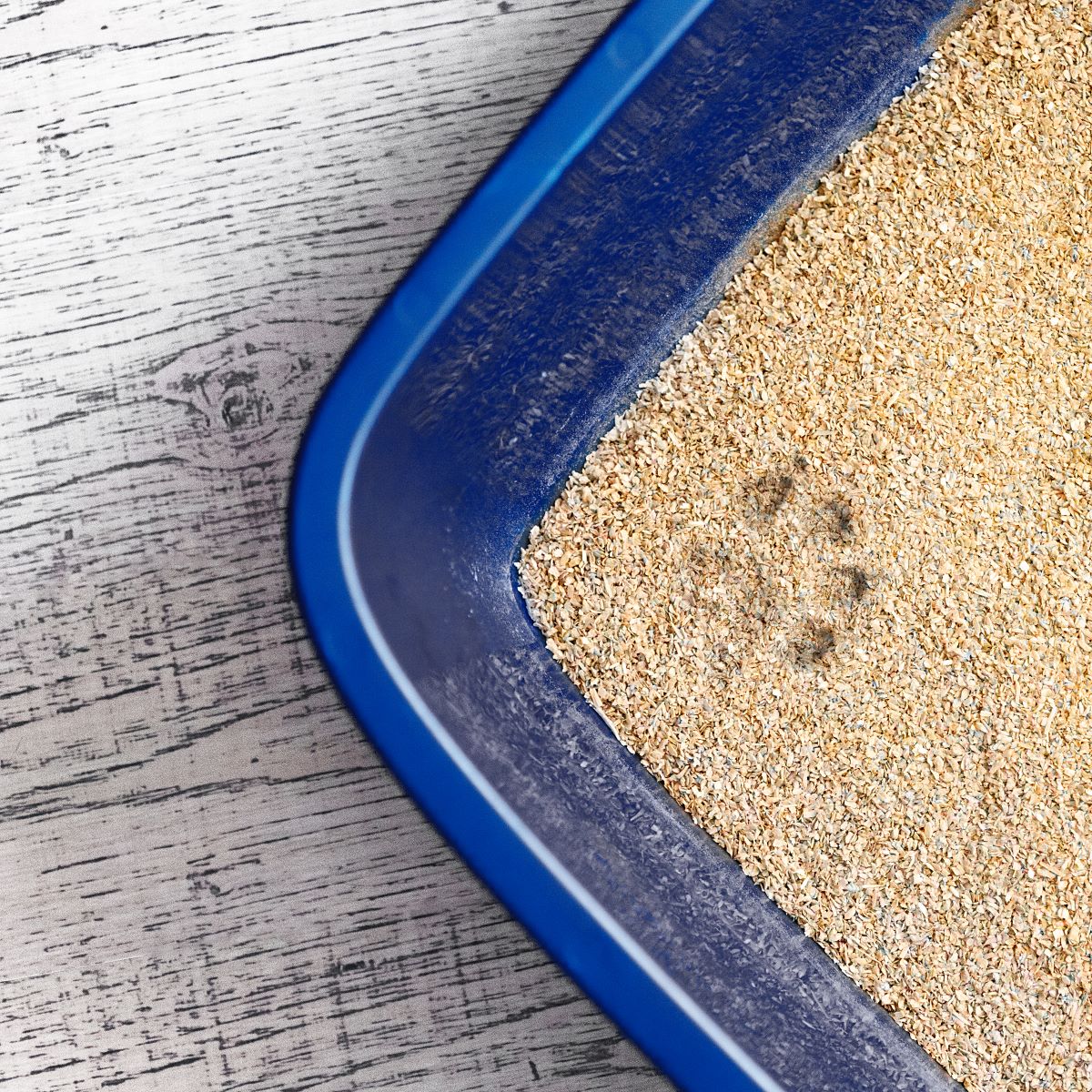
Natural Wood Cat Litter vs Clay & Silica: What's the Difference and Why Make the Switch Today
Read More
 email us